
Shanghai Gengyun Industrial Co., Ltd
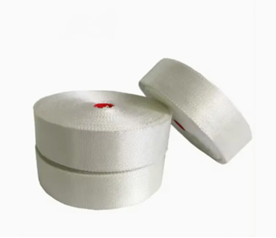
What is Non-Conductive Fire-Resistant Water-Blocking Tape? The Complete Guide for Cable Protection
The Essential Shield for Modern Cables
Communication optical cables and power cables face critical threats from moisture and fire. They operate in demanding environments, whether buried underground, submerged, or installed in building risers. These cables need robust internal protection. Longitudinal water blocking is a fundamental design requirement. Non-Conductive Fire-Resistant Water-Blocking Tape is a sophisticated material for this dual challenge. It integrates three vital properties: water absorption, flame retardancy, and electrical insulation. This approach elevates the protection, reliability, and lifespan of high-performance cable systems.
- The Multi-Functional Design Philosophy
Traditional cable protection required layering different materials. This method adds complexity, cost, and bulk. The specialized tape offers a better solution through multi-functional integration. It combines a superabsorbent polymer with a flame-retardant substrate. This design provides simultaneous protection against two primary failure modes. Also, its non-conductive nature ensures electrical safety. This holistic philosophy simplifies cable construction while enhancing performance.
- Critical Applications: Where This Tape is Indispensable
This tape serves specific, severe environments. Its use is critical in:
- Direct Burial and Submarine Cables: These face constant moisture or full immersion.
- Vertical Riser Cables: High-rise buildings need strict fire safety standards here.
- Rail Transit and Shipboard Cables: These endure vibration, flooding, and strict regulations.
- High-Reliability Cables: This includes data center interconnects and outdoor telecom infrastructure.
Technical Composition and Performance Mechanisms
This tape’s performance comes from its layered structure and chemical components.
- Core Construction: The Three-Layer System
A typical tape is a composite material:
- Substrate/Reinforcement Layer: This backbone is usually a non-woven fabric or film. It provides strength and flexibility.
- Functional Coating Layer: This contains Superabsorbent Polymer (SAP) powder for water blocking.
- Adhesive Layer (Optional): Some tapes have adhesive for secure application.
- The Water-Blocking Mechanism: Instant Gel Formation
The water-blocking function is a physio-chemical process. SAP particles absorb hundreds of times their weight in water. They rapidly swell to form a soft, coherent gel. This gel plugs spaces and blocks longitudinal voids. Consequently, it creates a permanent barrier against water progression.
- Achieving Fire Resistance and Insulation
- Fire Resistance: The tape achieves this through substrate chemistry or additives. These materials inhibit combustion and slow fire spread. Therefore, they help cables meet standards like IEC 60332.
- Non-Conductive Nature: The materials are excellent electrical insulators. So, the tape is safe for both optical fibers and power conductors.
Application in Cable Manufacturing and System Benefits
Using this tape effectively requires understanding its application and benefits.
- Cable Manufacturing Integration Process
During assembly, workers apply the tape over bundled conductors or fibers. There are two primary methods:
- Longitudinal Application: The tape lays parallel to the core with overlapped edges.
- Spiral Application: The tape wraps around the core at a defined pitch.
- After application, the cable’s outer protective sheath completes the assembly.
- Delivering Tangible Cable Performance Benefits
This tape translates into enhanced cable performance:
- Superior Long-Term Reliability: It prevents water ingress, eliminating corrosion and failure.
- Enhanced Fire Safety: It helps resist flame propagation for building safety.
- Maintained Signal Integrity: A dry core prevents optical signal loss.
- Design Flexibility: The thin tape allows for more compact cable designs.
Future Trends and Conclusion
Cable protection materials continue to evolve. Future trends include “smarter” functional tapes with visual damage indicators. Research also focuses on more sustainable materials. Furthermore, tapes for extreme environments will need higher performance.
In conclusion, Non-Conductive Fire-Resistant Water-Blocking Tape is a pivotal component. It solves moisture and fire threats through intelligent material science. Its use boosts longevity, safety, and integrity in critical infrastructure. Thus, choosing this material ensures cables withstand environmental tests.
FAQs
1. How does this tape differ from traditional water-blocking methods like filling gels or powders?
Traditional gels are messy and may migrate. Powders can be dusty. The tape offers a clean, dry application. It provides uniform coverage and is easier to handle. Also, it integrates fire resistance, which gels alone do not provide.
2. Is the water-blocking action permanent and effective against all types of water ingress?
The gel formation is chemically permanent. It is highly effective against longitudinal water migration. However, for sustained high-pressure immersion, use it with other barriers like metal sheaths.
3. Can this tape be used in both optical fiber cables and electrical power cables?
Yes, its non-conductive property makes it safe for both. It protects fibers without electrical concern. In power cables, it acts as an insulating filler. Always verify the tape’s specifications with the cable’s rating.
4. What are the key standards to look for when specifying this type of tape?
Key standards cover its dual functions:
- Water-Blocking: Data on swelling capacity and rate per standards like Telcordia GR-20-CORE.
- Fire Resistance: Compliance with IEC 60332-1 or higher levels. Also, check for low smoke toxicity certifications.
- Overall Material: Look for industry approvals from UL or CSA
Company Introduction: With over 20 years of deep industry expertise, we specialize in customizing and supplying solutions for optical fibers, cables, raw materials, and manufacturing equipment. We deliver reliable technical support and product services.
About the Author: With 20 years of hands-on experience in optical transmission media, cable assemblies, and core substrate materials, we offer practical, expert insights grounded in full-industry-chain expertise.