
Shanghai Gengyun Industrial Co., Ltd
What is Polyethylene Jacketing Compound? The Complete Guide to Cable Protection
Advanced Material Technology
Polyethylene jacketing compounds represent a major step forward in cable protection technology. These engineered materials provide sophisticated defense for modern cables. Unlike basic polymers, manufacturers carefully formulate these compounds to meet specific industry needs. They combine polyethylene’s inherent advantages with specialized additives for better performance. Today’s advanced compounds protect vital infrastructure across many sectors. They show remarkable versatility in tough environments, from deep-sea installations to high-altitude aerial spans.
- Evolution from Basic to Engineered Materials
The shift from simple polyethylene to engineered compounds shows material science progress. Early versions offered basic protection but lacked specialized traits. Modern formulations now incorporate multiple components working together. These include base polymers, stabilizers, and performance enhancers. Each element adds specific benefits, creating materials with superior qualities. This engineering approach allows customization for particular uses. Manufacturers can tailor compounds for specific environments and needs.
- Market Position and Technical Advantages
Advanced polyethylene compounds keep strong market positions despite new alternatives. Their cost-effectiveness plus proven reliability makes them valuable for infrastructure projects. The materials offer excellent processability on standard equipment. Their well-understood aging traits provide confidence for long-term installations. These advantages ensure continued relevance in the cable industry. They remain essential for uses needing decades of reliable service.
Technical Composition and Key Properties
Modern polyethylene compounds achieve superior performance through sophisticated formulations. Understanding these technical aspects helps professionals make informed material choices.
- Material Components and Formulation
The foundation of any jacketing compound is its polyethylene base. Manufacturers select from various grades including LDPE, LLDPE, MDPE, and HDPE. Each type offers distinct traits affecting flexibility and toughness. LLDPE typically provides good balance between flexibility and environmental resistance. HDPE offers higher rigidity and better moisture barrier properties. Modern formulations often blend different polyethylene types. This blending achieves optimal performance profiles for specific applications.
- Performance Enhancement Additives
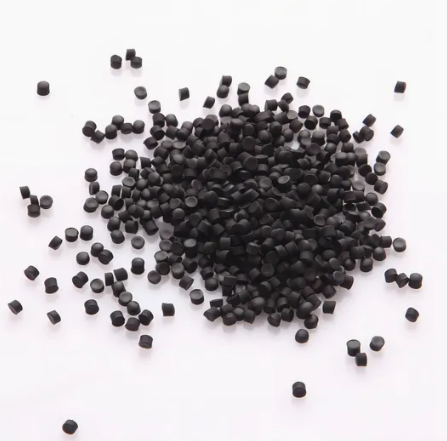
Performance-enhancing additive systems transform basic polyethylene into high-performance compounds. Carbon black provides UV protection for outdoor exposure. Antioxidant packages prevent thermal degradation during processing and service. Processing aids improve extrusion traits and surface quality. Specialized formulations may include flame retardants for fire-resistant uses. These carefully balanced systems ensure compounds meet both immediate and long-term needs.
- Environmental and Mechanical Performance
High-quality compounds show excellent environmental stress crack resistance. This property is crucial for long-term underground and aerial installations. They provide effective moisture barrier properties protecting internal parts. The materials keep flexibility across wide temperature ranges. Their abrasion resistance protects cables during installation and service life. Also, proper formulations exhibit good chemical resistance against environmental contaminants.
Applications and Industry Requirements
Polyethylene compounds serve diverse applications with specific performance needs. Understanding these requirements guides proper compound selection.
- Telecommunications Infrastructure
Telecommunications cables demand compounds with excellent moisture protection and long-term stability. Fiber optic cables need materials minimizing hydrogen generation. Compounds must provide reliable protection against rodent damage in burial applications. For aerial installations, materials need good UV resistance and weathering traits. Increasingly, telecom applications require compounds supporting higher densities and longer service life.
- Power and Energy Systems
Power cable applications impose demanding requirements on jacketing materials. Compounds must keep electrical insulation properties throughout service life. For underground power cables, materials need excellent water treeing resistance. Overhead power lines require compounds with good tracking resistance and UV stability. Renewable energy applications demand materials resisting specific environmental challenges. These compounds must maintain decades of reliable performance in solar and wind installations.
- Industrial and Special Applications
Industrial applications present unique challenges needing specialized formulations. Oil and gas industry cables need exceptional chemical resistance. Mining applications demand materials with superior abrasion resistance and flame retardancy. Transportation systems require compounds meeting specific smoke and toxicity rules. These specialized needs drive continuous compound development to address emerging industry requirements.
Future Trends and Industry Outlook
The polyethylene compound industry keeps evolving with technological advances and new needs. Several trends shape future development directions.
- Sustainability and Environmental Focus
Growing emphasis on sustainability influences compound development. Manufacturers are exploring recycled content incorporation while keeping performance. Bio-based polyethylene developments offer potential environmental benefits. Formulations minimizing carbon footprint during production gain importance. The industry develops compounds enabling end-of-life recycling of cable products. These initiatives support circular economy principles across the cable value chain.
- Performance Enhancement Directions
Continuous performance improvement remains a central development focus. Research targets enhanced moisture barrier properties for next-generation cables. Improved flame retardancy without harming environmental traits addresses safety needs. Development of compounds supporting higher operating temperatures accommodates rising power densities. Specialized formulations for extreme environments expand application possibilities. These enhancements ensure compounds stay competitive against emerging materials.
- Digital Integration and Smart Materials
The integration of digital technologies creates new compound requirements. Materials supporting distributed sensing enable smart grid applications. Compounds facilitating fiber optic integration support hybrid communication systems. Development of materials with embedded monitoring capabilities represents an emerging frontier. These digital integration trends promise to transform traditional cable systems. They need corresponding advances in compound technology to support intelligent infrastructure.
FAQs
1. What are the main components in polyethylene jacketing compounds?
Polyethylene compounds consist of base polymers (LDPE, LLDPE, MDPE, HDPE), stabilizers for UV protection, antioxidants for thermal stability, processing aids for manufacturing efficiency, and specialized additives for specific requirements like flame retardancy or chemical resistance. These components work together to create materials with enhanced performance characteristics.
2. How do I choose the right compound for different applications?
Consider the specific environmental conditions, mechanical requirements, and performance expectations for each application. Underground cables need excellent moisture resistance, aerial installations require UV protection, and industrial applications may need chemical resistance. Consult technical specifications and work with suppliers to match material properties with application demands.Q2: 如何为不同应
3. What are the environmental benefits of modern polyethylene compounds?
Modern compounds offer improved sustainability through recycled content, reduced carbon footprint during production, and better end-of-life recyclability. Many formulations now incorporate bio-based materials and support circular economy principles. These environmental benefits align with growing sustainability requirements across industries.
4. How are compounds adapting to smart cable technologies?
Compounds are evolving to support distributed sensing, temperature monitoring, and condition assessment capabilities. New formulations facilitate fiber optic integration in power cables and support hybrid communication systems. These adaptations enable traditional cable systems to become intelligent infrastructure components.
Company Introduction: With over 20 years of deep industry expertise, we specialize in customizing and supplying solutions for optical fibers, cables, raw materials, and manufacturing equipment. We deliver reliable technical support and product services.
About the Author: With 20 years of hands-on experience in optical transmission media, cable assemblies, and core substrate materials, we offer practical, expert insights grounded in full-industry-chain expertise.