
Shanghai Gengyun Industrial Co., Ltd
What is Fiber Coating Resin? Essential Protection for Optical Fibers
The Vital Protective Layer
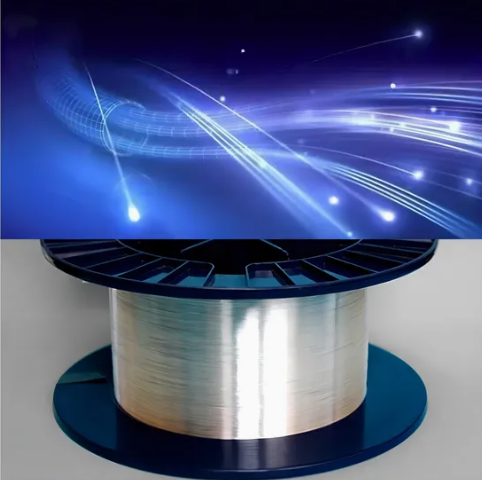
Fiber coating resin serves as the primary protective layer for optical fibers. This specialized material directly contacts the glass fiber surface. It provides crucial protection during manufacturing and throughout service life. The coating shields delicate glass fibers from mechanical damage and environmental factors. Without proper coating protection, optical fibers would be too fragile for practical use. Modern coating resins have evolved to meet increasingly demanding performance requirements. They play a critical role in ensuring reliable optical transmission in today’s networks.
- The Role in Fiber Protection
Coating resins perform multiple essential functions in fiber optics. They protect against microbending losses that degrade optical signals. The materials provide mechanical strength during handling and installation. They offer environmental protection against moisture and chemicals. Additionally, coatings facilitate fiber identification through color coding. These combined functions ensure fibers maintain optical performance throughout their operational life. The coating represents the first line of defense against physical and environmental threats.
- Material Evolution and Development
Fiber coating technology has evolved significantly since early fiber optic development. Initial coatings used basic UV-curable materials with limited performance. Modern formulations incorporate advanced chemistry for enhanced properties. Today’s resins offer improved adhesion characteristics, better thermal stability, and increased mechanical strength. This evolution supports higher fiber drawing speeds and improved production efficiency. Continuous development addresses emerging requirements from advanced network technologies.
Technical Composition and Properties
Modern fiber coating resins are sophisticated formulations designed for specific performance requirements. Understanding their composition helps appreciate their protective capabilities.
- Primary Components and Formulation
Coating resins typically consist of several key components. Oligomers form the main structural framework of the coating. Reactive diluents control viscosity and cure characteristics. Photoinitiators enable UV curing during manufacturing. Various additives enhance specific properties like adhesion or flexibility. Manufacturers carefully balance these components to achieve desired performance characteristics. Each formulation is optimized for particular application requirements and manufacturing conditions.
- Key Performance Characteristics
High-quality coating resins exhibit several essential properties. Adhesion strength ensures the coating remains bonded to the glass surface. Cure speed affects manufacturing efficiency and production rates. Mechanical properties including modulus and elongation protect fibers from stress. Thermal stability maintains performance across operating temperature ranges. Chemical resistance protects against environmental contaminants. These combined characteristics determine coating effectiveness throughout fiber service life.
- Application-Specific Formulations
Different applications require specialized coating formulations. Single-mode fibers often use softer coatings minimizing microbending losses. Multimode fibers may require different mechanical properties. Specialty fibers for harsh environments need enhanced chemical resistance. High-speed production demands faster curing formulations. Manufacturers develop specific formulations optimized for each fiber type and application scenario. This specialization ensures optimal performance in diverse operating conditions.
Manufacturing Application and Quality Control
The application of coating resins during fiber manufacturing requires precision and control. Proper application ensures consistent coating quality and performance.
- Coating Application Process
During fiber drawing, molten glass passes through coating application systems. The coating material is applied immediately after fiber formation. Precision applicators ensure uniform coating thickness around the fiber. UV curing systems instantly solidify the coating layer. Diameter control systems monitor and maintain consistent coating dimensions. This integrated process occurs at high speeds in modern manufacturing facilities. Proper control ensures consistent coating quality throughout production runs.
- Quality Assurance Measures
Rigorous quality control ensures coating performance meets specifications. Thickness measurements verify coating dimensional consistency. Adhesion testing confirms proper bonding to the glass surface. Mechanical testing evaluates coating strength and flexibility. Optical testing ensures coatings don’t induce additional signal loss. Environmental testing validates performance under various conditions. These comprehensive tests guarantee coatings provide reliable protection throughout fiber service life.
- Process Optimization and Efficiency
Modern coating processes emphasize manufacturing efficiency and quality consistency. Advanced control systems monitor application parameters in real-time. Automated adjustments maintain optimal process conditions. Statistical process control ensures consistent quality across production batches. Continuous improvement initiatives optimize material usage and reduce waste. These efforts support efficient, high-quality fiber production meeting market demands.
Future Developments and Industry Trends
The fiber coating industry continues evolving with technological advancements and new requirements. Several trends are shaping future development directions.
- Performance Enhancement Focus
Ongoing research focuses on enhanced coating properties for advanced applications. Development targets improved thermal stability for extreme environments. Enhanced mechanical strength supports more demanding installation conditions. Better chemical resistance addresses challenging operating environments. These improvements support fiber deployment in increasingly demanding applications from data centers to industrial settings.
- Manufacturing Technology Advances
Advancements in application technology enable higher production speeds and better quality. Improved curing systems support faster manufacturing rates. Enhanced application precision ensures more consistent coating quality. Better process control reduces variations and improves yield. These technological advances support the growing demand for optical fibers in expanding network infrastructure.
- Sustainability Considerations
Growing emphasis on environmental responsibility influences coating development. Research explores bio-based materials for more sustainable formulations. Development focuses on reduced energy consumption during manufacturing. Improved recyclability considerations address end-of-life management. These sustainability initiatives align with broader industry environmental goals while maintaining performance standards.
FAQs
1. What is the primary purpose of fiber coating resin?
The main purpose is to protect the delicate glass fiber surface from mechanical damage and environmental factors. The coating prevents microbending losses, provides handling strength, and shields against moisture and chemicals. It enables practical use of optical fibers in various applications by providing essential protection throughout their service life.
2. How does coating resin affect fiber performance?
Proper coating prevents microbending that causes signal loss, maintains fiber strength for installation and handling, and protects against environmental degradation. The coating’s mechanical properties influence how fibers respond to bending and stress. Its thermal characteristics affect performance across temperature variations. Good coating ensures consistent optical performance throughout fiber service life.
3. What factors determine coating resin selection?
Selection depends on fiber type (single-mode vs multimode), application environment (indoor, outdoor, harsh conditions), manufacturing requirements (cure speed, processing parameters), and performance specifications (mechanical strength, thermal stability). Different formulations are optimized for specific combinations of these factors to ensure optimal performance.
4. How is coating quality controlled during manufacturing?
Quality control includes continuous monitoring of coating thickness, adhesion testing, mechanical property verification, and optical performance checking. Automated systems monitor application parameters in real-time. Regular sampling and testing ensure consistency across production batches. Comprehensive testing validates coating performance under various environmental conditions.
Company Introduction: With over 20 years of deep industry expertise, we specialize in customizing and supplying solutions for optical fibers, cables, raw materials, and manufacturing equipment. We deliver reliable technical support and product services.
About the Author: With 20 years of hands-on experience in optical transmission media, cable assemblies, and core substrate materials, we offer practical, expert insights grounded in full-industry-chain expertise.