Shanghai Gengyun Industrial Co., Ltd
What is Para-aramid Fiber? Essential Material for Cable Reinforcement
The Strength Behind Modern Cables
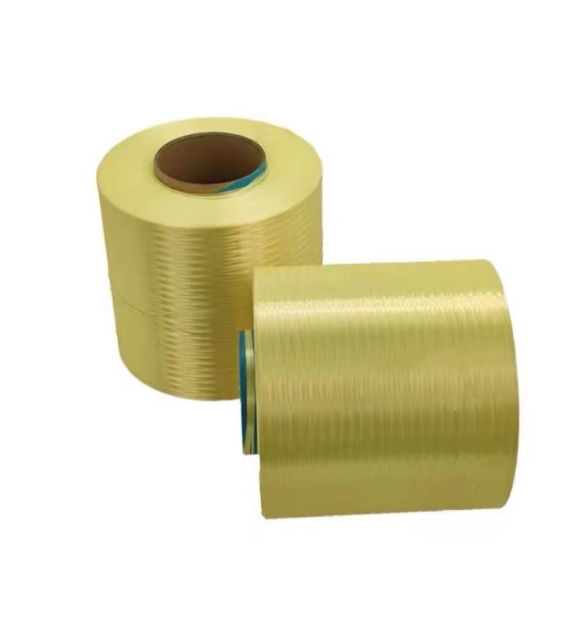
Para-aramid fibers provide critical reinforcement in modern cable construction. These high-strength synthetic fibers offer exceptional mechanical properties that protect cables during installation and service. Originally developed for aerospace and military applications, para-aramid has become essential in telecommunications and power cable manufacturing. The fibers provide tensile strength without adding significant weight or diameter to cables. Their unique combination of properties makes them indispensable for cables subjected to mechanical stress and environmental challenges.
- Material Characteristics
Para-aramid fibers exhibit remarkable strength-to-weight ratios, outperforming steel in specific strength while being much lighter. They demonstrate excellent thermal stability, maintaining properties across wide temperature ranges. The fibers show good chemical resistance to most common industrial chemicals. Their low elongation characteristics prevent excessive stretching under load. These properties make para-aramid ideal for applications where mechanical performance and reliability are critical.
- Cable Reinforcement Applications
In cable manufacturing, para-aramid fibers serve as tensile strength members that protect internal components. They prevent cable elongation during installation pulling. The fibers absorb mechanical stress from environmental conditions. They provide protection against rodent damage in buried installations. Their application supports longer cable spans in aerial installations. These capabilities ensure cable reliability throughout service life in various environments.
Technical Properties and Performance
Understanding para-aramid fiber properties helps appreciate their role in cable reinforcement and protection.
- Mechanical Performance
Para-aramid fibers offer exceptional tensile strength, typically 20-30 times stronger than steel on an equal weight basis. They exhibit low creep characteristics under sustained load. The fibers maintain strength across repeated loading cycles. Their cut resistance protects against installation damage. Fatigue resistance ensures long-term performance in dynamic applications. These mechanical properties support cables in demanding installation and service conditions.
- Thermal and Environmental Properties
The fibers demonstrate excellent thermal stability up to 300°C without significant degradation. They maintain mechanical properties across wide temperature ranges from -196°C to 300°C. Moisture resistance prevents property degradation in wet environments. UV stability ensures performance in outdoor applications. Chemical resistance protects against industrial and environmental contaminants. These environmental properties ensure reliable performance in various operating conditions.
- Electrical Characteristics
Para-aramid fibers act as excellent electrical insulators, preventing current leakage in power cables. They exhibit low dielectric constant and loss tangent, making them suitable for high-frequency applications. The fibers do not generate electromagnetic interference in sensitive applications. Their non-conductive nature prevents short circuits in cable systems. These electrical properties support both power and communications cable applications.
Manufacturing Integration and Applications
Integrating para-aramid fibers into cable construction requires specific manufacturing techniques and design considerations.
- Cable Construction Integration
In cable manufacturing, para-aramid fibers are typically applied as helical wrapping around cable cores. They may be incorporated as longitudinal strength members in specific designs. The fibers are often combined with other materials in composite structures. Proper tension control during application ensures optimal performance. Adhesion systems may bond fibers to other cable components. These integration methods ensure effective reinforcement in finished
- Telecommunications Applications
In fiber optic cables, para-aramid protects delicate glass fibers from installation stress. The fibers allow longer cable pulls without damage. They support aerial installations by providing necessary tensile strength. In buried applications, they protect against soil movement and external pressure. Their use enables smaller cable designs while maintaining strength requirements. These applications ensure reliable signal transmission in telecommunications
- Power Cable Applications
Power cables benefit from para-aramid’s combination of strength and electrical insulation. The fibers provide mechanical protection for conductor insulation systems. They support cable installation in challenging terrain and conditions. Their thermal stability protects against short-term overload conditions. The materials enable reduced cable diameter while maintaining performance. These applications support reliable power distribution in various environments.
Industry Trends and Future Development
The para-aramid fiber market continues evolving with technological advancements and changing application requirements.
- Manufacturing Innovations
Continuous improvements in fiber production technology enhance performance characteristics. Surface treatment developments improve adhesion to cable materials. Fiber modification techniques create specialized products for specific applications. Production efficiency improvements reduce costs and environmental impact. These innovations support broader adoption in cable applications and emerging markets.
- Application Expansion
Growing applications in renewable energy cables support solar and wind power installations. Submarine cable applications benefit from para-aramid’s strength and corrosion resistance. Industrial automation cables require robust reinforcement for demanding environments. Data center cables utilize para-aramid for high-density installations. These expanding applications drive continued material development and innovation.
- Sustainability Focus
Increasing emphasis on environmental responsibility influences material development. Recycling initiatives address end-of-life cable management. Energy efficiency improvements in manufacturing reduce environmental impact. Sustainable sourcing considerations gain importance in material selection. These trends align with broader industry sustainability goals while maintaining performance standards.
FAQs
1. What makes para-aramid suitable for cable applications?
Para-aramid combines exceptional tensile strength with light weight, thermal stability, and electrical insulation properties. This unique combination protects cables during installation and service while adding minimal weight and diameter. The fibers withstand mechanical stress, environmental conditions, and temperature variations while maintaining performance throughout cable service life.
2. How are para-aramid fibers integrated into cable construction?
Fibers are typically applied as helical wrapping around cable cores or as longitudinal strength members. They may be combined with other materials in composite structures. Proper tension control during application ensures optimal performance. Adhesion systems may bond fibers to other components. The integration method depends on cable design and performance requirements.
3. What types of cables benefit most from para-aramid reinforcement?
Fiber optic cables benefit significantly due to protection of delicate glass fibers. Power cables utilize the combination of strength and electrical insulation. Submarine cables require the corrosion resistance and strength properties. Industrial cables in demanding environments need robust reinforcement. Any cable subjected to mechanical stress or challenging installation conditions benefits from para-aramid reinforcement.
4. How is para-aramid performance evolving?
Performance improvements focus on enhanced strength-to-weight ratios, better adhesion characteristics, and improved environmental resistance. Manufacturing innovations reduce costs while maintaining quality. Application-specific developments create optimized products for emerging cable technologies. Sustainability initiatives address environmental considerations throughout the product life cycle.
Company Introduction: With over 20 years of deep industry expertise, we specialize in customizing and supplying solutions for optical fibers, cables, raw materials, and manufacturing equipment. We deliver reliable technical support and product services.
About the Author: With 20 years of hands-on experience in optical transmission media, cable assemblies, and core substrate materials, we offer practical, expert insights grounded in full-industry-chain expertise.