
Shanghai Gengyun Industrial Co., Ltd
Water-Blocking Aramid Yarn Technology
Water-Blocking Aramid Yarn
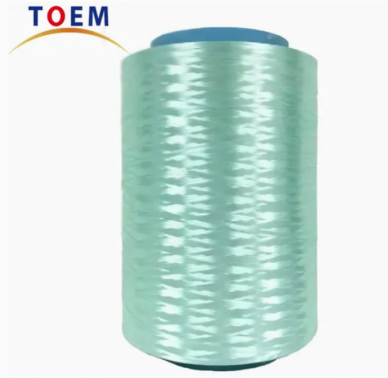
Para-aramid water-blocking yarn, or water-blocking aramid yarn, represents a specialized hybrid product combining para-aramid reinforcement with water-swellable technology. This innovative material serves critical functions in telecommunications cables, particularly outdoor and underground installations where moisture protection is essential. The yarn simultaneously provides mechanical reinforcement and prevents water migration along cable lengths.
The product consists of traditional para-aramid filament yarn coated or combined with superabsorbent polymer materials. When dry, the yarn handles like conventional aramid, providing tensile strength for cable installation and service. Upon water exposure, the superabsorbent component swells dramatically, creating a physical barrier that blocks further water migration. This dual functionality eliminates the need for separate water-blocking components, simplifying cable construction and reducing manufacturing costs.
- Water Blocking Principle
The water-blocking mechanism relies on superabsorbent polymers that absorb hundreds of times their weight in water. Upon contact with moisture, these materials swell rapidly, expanding to fill voids around the yarn. This swelling creates a tight seal that prevents water from progressing further along the cable. The swollen material maintains this barrier under pressure, providing long-term protection even in flooded environments.
- Material Composition
Typical water-blocking aramid yarns contain 70-90% para-aramid fiber by weight, with the balance comprising superabsorbent materials. The aramid component provides mechanical strength, creep resistance, and thermal stability. The superabsorbent component may be applied as a coating, incorporated as separate fibers within the yarn, or both. Manufacturers optimize the ratio for specific cable designs and performance requirements.
- Swelling Characteristics
Swell ratio, swelling rate, and gel strength characterize water-blocking performance. High-quality yarns achieve volume increases of 10-50 times when fully saturated. Rapid swelling, typically within minutes, ensures quick sealing before significant water penetration occurs. The resulting gel maintains integrity under hydrostatic pressure, preventing water bypass even in deep immersion applications.
- Compatibility with Cable Materials
Water-blocking aramid yarns must remain compatible with other cable components throughout service life. The superabsorbent materials should not corrode metallic elements or degrade optical fiber coatings. Swelling should not exert excessive pressure that could increase optical attenuation. Manufacturers formulate their products to work within complete cable systems, considering interactions with filling compounds, jackets, and strength members.
Key Applications and Use Cases
Water-blocking aramid yarns serve essential functions in telecommunications infrastructure where moisture protection is critical. Their adoption has grown significantly as cable designs evolve toward simpler, more reliable constructions.
Outdoor telecommunications cables face constant moisture threat from rain, groundwater, and condensation. Water-blocking aramid yarn provides longitudinal sealing that prevents water migration along the cable core. This protection proves essential because even small amounts of water can cause optical attenuation increases and eventual fiber failure. The yarn’s dual function eliminates separate water-blocking tapes, simplifying cable design and manufacturing.
- Aerial and Duct Installations
Cables installed aerially or in underground ducts face moisture ingress at damage points or cable ends. Water-blocking yarns seal around the point of entry, limiting damage to a short cable section. This localization simplifies repair and prevents water from migrating to distant splice points or equipment. The yarn’s swellable component activates immediately upon moisture contact, providing protection before permanent repairs occur.
- Direct Buried Applications
Direct buried cables encounter the most severe moisture exposure, often in saturated soil conditions. Water-blocking aramid yarns provide continuous protection along entire cable lengths. Multiple yarn layers or combinations with other water-blocking materials ensure redundancy against seal failure. The mechanical reinforcement from aramid fibers also protects against installation stresses and ground movement.
- Transition and Closure Points
Cable transition points where outdoor cables enter buildings or equipment closures present particular moisture risks. Water-blocking yarns at these locations seal around cable entries, preventing moisture from following the cable into protected environments. The swellable material activates if seals fail, providing backup protection that prevents equipment damage.
Performance Characteristics and Specifications
Understanding water-blocking yarn specifications enables proper selection for specific cable designs and environmental conditions.
- Mechanical Properties
The aramid component maintains the tensile strength and modulus characteristics of conventional reinforcement yarns. Typical tenacity ranges from 15-20 grams per denier, sufficient for cable installation and service loads. Elongation at break remains low, typically 3-4%, ensuring cables do not stretch under tension. These properties allow water-blocking yarns to serve as primary strength members while providing moisture protection.
- Water-Blocking Performance
Quantitative measures assess water-blocking effectiveness. Standard tests measure water penetration distance under specified pressure over time. High-performance yarns limit penetration to a few centimeters under test conditions. Swell pressure measurements ensure the swollen material can resist hydrostatic heads encountered in flooded environments. Leakage tests verify seal integrity at cable ends and transition points.
- Temperature Stability
Water-blocking yarns must perform across the wide temperature ranges encountered in cable service. The aramid component maintains strength from -60°C to +200°C. Superabsorbent polymers typically function from freezing to about 80°C, covering most installation environments. Thermal cycling should not degrade either component or their interaction over decades of service.
- Aging Characteristics
Long-term stability determines cable lifetime. Accelerated aging tests evaluate property retention under heat, humidity, and chemical exposure. The aramid component shows minimal degradation over decades in benign environments. Superabsorbent polymers must maintain swell capacity throughout cable design life. Manufacturers validate their formulations through extensive testing to ensure 20-30 year service life.
Selection and Installation Guidelines
Proper selection and handling ensure water-blocking yarns perform as intended throughout cable life.
- Cable Design Integration
Integrate water-blocking yarns into complete cable designs considering all components. Calculate required yarn quantity based on cable diameter and desired swell pressure. Position yarns to ensure moisture contact triggers swelling before water reaches sensitive components. Consider interactions with filling compounds that might delay moisture contact or inhibit swelling.
- Manufacturing Considerations
Water-blocking yarns require careful handling during cable manufacturing. Tension control maintains consistent yarn placement without damaging the superabsorbent component. Avoid excessive heat exposure during jacketing that could degrade swellable materials. Maintain clean conditions to prevent premature activation by ambient humidity. Proper package handling prevents damage before cable production.
- Quality Verification
Test water-blocking yarns upon receipt to verify specified properties. Measure linear density to confirm correct yarn size. Perform tensile tests to verify strength meets requirements. Conduct swell tests to confirm activation and swell ratio. Document results for traceability and quality assurance
- Installation Practices
Cable installation practices affect water-blocking performance. Avoid damage to cable sheaths that could admit moisture. Seal cable ends promptly after cutting to prevent water entry before closure installation. Follow manufacturer recommendations for cable pulling tensions and bend radii. Proper installation maximizes the protection water-blocking yarns provide.
FAQs
1. How does water-blocking aramid yarn work?
Water-blocking aramid yarn combines para-aramid reinforcement fibers with superabsorbent polymers. When dry, the yarn provides normal tensile reinforcement for cable installation and service. Upon contact with moisture, the superabsorbent component absorbs water and swells dramatically, expanding to fill voids around the yarn. This swelling creates a physical barrier that prevents water from migrating further along the cable, limiting damage to the point of entry.
2. What are the advantages over traditional water-blocking methods?
Water-blocking yarns offer several advantages over traditional water-blocking tapes or flooding compounds. They provide dual functionality, combining mechanical reinforcement with moisture protection in a single component. This simplifies cable construction and reduces manufacturing complexity. The yarns are lightweight and add minimal cable diameter. They activate immediately upon water contact without requiring compound migration. Additionally, they eliminate the mess and temperature sensitivity associated with flooding compounds.
3. How much does water-blocking yarn swell when wet?
Quality water-blocking aramid yarns typically achieve volume increases of 10-50 times their dry volume when fully saturated with water. The exact swell ratio depends on the specific product formulation and the type of water encountered. Swelling occurs rapidly, usually within minutes, providing quick sealing before significant water penetration occurs. The resulting hydrogel maintains integrity under hydrostatic pressure, preventing water bypass even in flooded environments.
4. Does the swelling affect optical fiber performance?
Properly designed water-blocking yarns swell without exerting excessive pressure that could increase optical attenuation. Manufacturers formulate their products to achieve balance between effective sealing and fiber protection. The yarns are typically positioned to swell into available void spaces rather than directly compressing fiber bundles. Cable designs incorporate appropriate clearances to accommodate swelling without stress on optical fibers. Testing verifies that attenuation remains stable throughout the cable’s service life.
Company Introduction: With over 20 years of deep industry expertise, we specialize in customizing and supplying solutions for optical fibers, cables, raw materials, and manufacturing equipment. We deliver reliable technical support and product services.
About the Author: With 20 years of hands-on experience in optical transmission media, cable assemblies, and core substrate materials, we offer practical, expert insights grounded in full-industry-chain expertise.