
Shanghai Gengyun Industrial Co., Ltd
Complete Guide to FC/UPC Duplex Patch Cords
Introduction to FC/UPC Duplex Patch Cords
The FC/UPC duplex fiber patch cord integrates two fibers into one assembly for simultaneous transmit and receive paths. Each end has two FC connectors with UPC polish, joined by a duplex clip or housed within a single connector. Accordingly, this simplifies cable management for duplex links while maintaining individual fiber identification. Because most optical systems use separate fibers for bidirectional transmission, therefore, the duplex assembly offers a clear advantage: rather than managing two independent cords, it keeps the pair together, thereby ensuring consistent routing and proper polarity. Consequently, this organization proves invaluable in high-density environments, where cable management challenges multiply with each cord.
Duplex Configuration Design
The duplex assembly consists of two individual FC connector terminations joined by a duplex clip that holds them at precise spacing matching transceiver port spacing. The clip allows the pair to insert and remove together while maintaining correct orientation. Some designs integrate both fibers into a single multifiber connector body, though the clipped configuration remains most common for FC due to the connector’s metal construction.
- Fiber Pair Management
The two fibers within the duplex assembly maintain their individual identities throughout the cord. Color coding, typically using blue and blue or blue and black boots, distinguishes the two positions. This identification ensures that position A at one end connects to position A at the other, maintaining correct transmit-receive pairing. Consistent polarity proves essential for proper link operation.
- Cable Construction Options
Duplex patch cords use various cable constructions depending on application requirements. Zip cord construction features two individual cable elements joined along their length, allowing separation at ends for connector termination while remaining together in the middle. Round duplex cables enclose both fibers in a single jacket for maximum protection. The choice affects flexibility, durability, and installation characteristics.
- Polarity Management
Proper polarity ensures that the transmit signal from one end reaches the receive port at the other end. Standard duplex configurations follow TIA-568 polarity methods, typically Method A where position A connects to position A. The duplex clip maintains correct orientation during insertion. Clear marking and consistent practices prevent the crossed connections that would prevent link operation.
Key Applications and Use Cases
FC/UPC duplex patch cords serve essential roles in any application requiring bidirectional communication over fiber. Their organized design simplifies deployment and maintenance in diverse environments.
- Transceiver Connections
Optical transceivers such as SFP, SFP+, and XFP modules feature duplex ports with separate transmit and receive positions. Duplex patch cords connect these transceivers to patch panels or directly to other equipment. The paired configuration ensures both fibers route together, simplifying cable management in dense equipment racks. Proper polarity maintained by the duplex clip guarantees correct transmit-receive pairing.
- Data Center Cabling
Data centers extensively use duplex patch cords for server and storage connections. High-density environments demand organized cabling, and duplex assemblies reduce cable clutter compared to individual fibers. The paired cords route neatly through cable managers and maintain consistent bend radii. Color-coded connectors aid in identifying fiber types and connection purposes.
- Telecommunications Equipment
Central office equipment often uses duplex interfaces for network connections. FC/UPC duplex patch cords connect this equipment to distribution frames and cross-connect fields. The secure FC connectors ensure reliable connections in environments where accidental disconnection would disrupt service. Duplex configuration simplifies the large number of connections typical in telecommunications facilities.
- Wavelength Division Multiplexing
WDM systems typically use separate fibers for east and west traffic, making duplex connections natural. Duplex patch cords connect multiplexers, amplifiers, and other WDM components. The paired fibers maintain organization in complex WDM installations where many wavelengths traverse the network. Consistent polarity ensures proper traffic flow through the system.
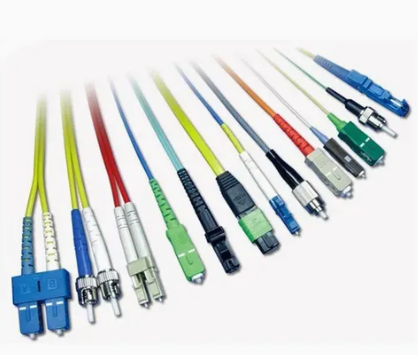
Performance Characteristics and Specifications
Duplex patch cords must meet the same rigorous performance standards as single-fiber cords while adding considerations for fiber-to-fiber consistency and polarity.
- Individual Fiber Performance
Each fiber in the duplex assembly independently meets optical specifications. Insertion loss for each path typically below 0.3dB for standard grade, below 0.15dB for premium. Return loss exceeds 50dB for UPC polish on both fibers. Manufacturers test each fiber individually and provide data for both paths. Performance should match between the two fibers to ensure balanced link operation.
- Fiber-to-Fiber Consistency
Critical for duplex applications is consistency between the two fibers. Loss difference between fibers should remain below 0.1dB to ensure balanced link performance. Return loss should be similar to avoid creating reflection differences that could affect transceiver operation. Length matching ensures both signals experience identical propagation delay, though small differences rarely affect system operation.
- Polarity Verification
Every duplex patch cord undergoes polarity verification during manufacturing. Testing confirms that position A at one end connects to position A at the other. This verification prevents the crossed connections that would prevent link operation. Polarity is typically maintained through the duplex clip design and consistent connector orientation.
- Mechanical Durability
The duplex assembly adds mechanical considerations beyond individual connectors. The duplex clip must maintain proper connector spacing and orientation over thousands of insertions. Strain relief must protect both fibers where they separate for termination. Flex testing verifies that the dual-fiber construction withstands repeated bending without fiber breakage or performance degradation.
Selection and Usage Guidelines
Proper selection and handling of duplex patch cords ensures reliable link operation and long service life. Understanding duplex-specific considerations maximizes their effectiveness.
- Polarity Verification
Always verify polarity before installation, even with new cords. Use a visual fault locator or continuity tester to confirm that position A connects to position A. Mark cords clearly to maintain orientation during moves and changes. Consistent polarity practices prevent frustrating troubleshooting later.
- Length Determination
Select length appropriate for the path, considering that duplex cords may be slightly less flexible than singles. Measure from transceiver to patch panel accounting for vertical and horizontal routing. Allow slack for service loops but avoid excessive length that complicates cable management. Standard lengths cover most applications, with custom available for special requirements.
- Bend Radius Management
Maintain recommended minimum bend radius for both fibers, recognizing that duplex cords may have different flexibility characteristics than singles. The point where fibers separate for termination requires particular attention, as individual fibers lack the protection of the common jacket. Use appropriate cable management to maintain proper radius throughout the path.
- Connector Cleaning
Clean all four connector end faces (two on each end) before connection. The duplex clip may make cleaning access slightly more challenging, requiring appropriate tools. Inspect each end face individually with a fiberscope to verify cleanliness. Install dust caps on all four connectors when disconnected to protect from contamination.
FAQs
1. What is the purpose of a duplex patch cord?
A duplex patch cord combines two fibers in a single assembly for applications requiring simultaneous transmit and receive paths, such as optical transceivers. It simplifies cable management by keeping the fiber pair together, ensures proper polarity so transmit signals reach receive ports, and reduces clutter compared to managing two individual cords. The duplex configuration is essential for most optical communication systems using separate fibers for each transmission direction.
2. How do I ensure correct polarity with FC/UPC duplex patch cords?
Polarity in FC/UPC duplex patch cords is typically maintained through the duplex clip that holds the two connectors at precise spacing matching transceiver ports. The clip ensures position A at one end connects to position A at the other. Manufacturers test polarity during production. Before installation, verify with a visual fault locator or continuity tester. Mark cords clearly and maintain consistent orientation during moves and changes to prevent crossed connections that would prevent link operation
3. Can I use two single-fiber cords instead of one duplex cord?
Yes, you can use two single-fiber cords instead of one duplex cord, but the duplex version offers significant advantages. Duplex cords keep the fiber pair together, simplifying cable management and reducing clutter. They maintain proper polarity through the clip design. They ensure both fibers route together, preventing one from being pulled or damaged separately. For high-density applications, duplex cords are strongly preferred for organization and reliability.
4. Do both fibers in a duplex cord need to match in performance?
Ideally, both fibers in a duplex patch cord should have similar optical performance to ensure balanced link operation. Loss difference between fibers should remain below 0.1dB. Return loss should be similar to avoid creating reflection differences that could affect transceiver operation. Quality manufacturers test both fibers and provide data ensuring consistency. For most applications, small differences are acceptable, but matched performance provides optimal system operation.
Company Introduction: With over 20 years of deep industry expertise, we specialize in customizing and supplying solutions for optical fibers, cables, raw materials, and manufacturing equipment. We deliver reliable technical support and product services.
About the Author: With 20 years of hands-on experience in optical transmission media, cable assemblies, and core substrate materials, we offer practical, expert insights grounded in full-industry-chain expertise.