
Shanghai Gengyun Industrial Co., Ltd
High Purity Quartz Crystal Glass Fiber Optic Preform Rod
Introduction to Quartz Preform Technology
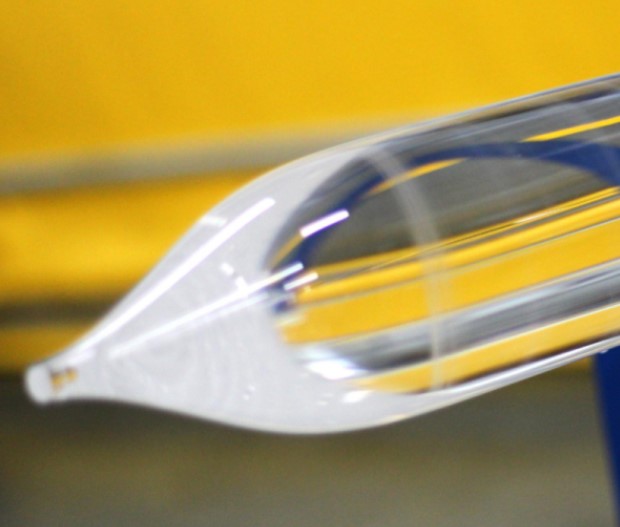
The high purity quartz crystal glass fiber optic preform rod represents the starting point for all modern optical fiber production. This cylindrical glass component contains the exact refractive index pattern needed to guide light efficiently. Manufacturers rely on this component to determine the final fiber’s transmission characteristics. Without a quality preform, even the best drawing equipment cannot produce low-loss fiber.
- Material Composition and Purity Standards
Manufacturers use silicon tetrachloride as the primary raw material for these preforms. Multiple distillation steps remove transition metals and hydroxyl ions from the compound. The purification process continues until impurity levels drop below one part per billion. Any remaining contamination would create light absorption points and increase signal attenuation.
- Role in Optical Fiber Manufacturing
The preform rod feeds into a drawing tower where heat softens its tip. Gravity pulls a thin glass strand from the molten material. This strand becomes the finished optical fiber. The preform’s internal structure determines how light travels through the final fiber. Consistent quality in the preform ensures uniform performance across kilometers of fiber.
Key Performance Characteristics
Understanding preform specifications helps buyers select the right product for their manufacturing needs. Several critical parameters determine final fiber quality.
- Refractive Index Profile Precision
The refractive index pattern inside the preform must match design specifications exactly. Even small deviations cause light to escape from the fiber core. Modern manufacturing uses precise vapor deposition to build up the index profile layer by layer. This process creates the exact pattern needed for single-mode or multimode transmission.
- Geometric Consistency
Preform diameter and roundness affect the final fiber’s geometry significantly. Out-of-round preforms produce fiber with varying cladding thickness. This variation leads to inconsistent splice performance and higher connection loss. Quality manufacturers maintain strict tolerances on all geometric parameters.
Manufacturing Methods Overview
Two dominant processes produce most commercial preforms today. Each method offers distinct advantages for specific applications.
- Outside Vapor Deposition Process
This method builds the preform from the outside inward using a rotating target rod. Soot particles deposit onto the rod surface in controlled layers. The assembly then moves to a consolidation furnace where heat transforms soot into solid glass. This approach allows excellent control over the refractive index profile.
- Vapor Axial Deposition Process
Vapor axial deposition builds the preform vertically from the bottom up. Burners direct silica soot onto the end of a rotating seed rod. The rod moves upward as deposition proceeds. This continuous process offers high throughput for standard fiber types. Many manufacturers prefer this method for large production volumes.
Quality Control and Inspection
Rigorous testing ensures each preform meets its specified performance targets. Manufacturers perform multiple checks before sending preforms to the drawing tower.
- Optical Testing Methods
Each preform undergoes optical characterization before production use. Laser-based systems measure the refractive index profile along the entire length. Automated scanners detect bubbles, inclusions, or index variations. Any preform failing these tests gets rejected or reprocessed.
- Geometric Inspection Procedures
Precision measurement tools verify diameter, roundness, and concentricity. These parameters affect how the preform behaves during fiber drawing. Poor geometry leads to fiber with inconsistent cladding thickness. Manufacturers document all measurements for traceability.
FAQs
1. Why is purity so important for fiber optic preforms?
Purity directly determines how much light the finished fiber can transmit. Even tiny amounts of transition metals or water absorb light signals. This absorption reduces transmission distance and increases system costs. High purity preforms produce fiber with attenuation as low as 0.2dB per kilometer.
2. What is the difference between a preform and finished fiber?
A preform is a large glass rod typically 1-2 meters long and 20-80mm in diameter. Finished fiber is the thin strand drawn from this rod, measuring just 125 micrometers across. One preform can produce many kilometers of fiber. The preform contains the same refractive index pattern that appears in the final fiber.
3. Can different preform types be used on the same drawing tower?
Yes, most drawing towers accept various preform sizes and types. However, changing preform types may require adjustments to temperature profiles and draw speed. Manufacturers typically group similar preforms together to minimize changeover time.
Company Introduction: With over 20 years of deep industry expertise, we specialize in customizing and supplying solutions for optical fibers, cables, raw materials, and manufacturing equipment. We deliver reliable technical support and product services.
About the Author: With 20 years of hands-on experience in optical transmission media, cable assemblies, and core substrate materials, we offer practical, expert insights grounded in full-industry-chain expertise.