
Shanghai Gengyun Industrial Co., Ltd
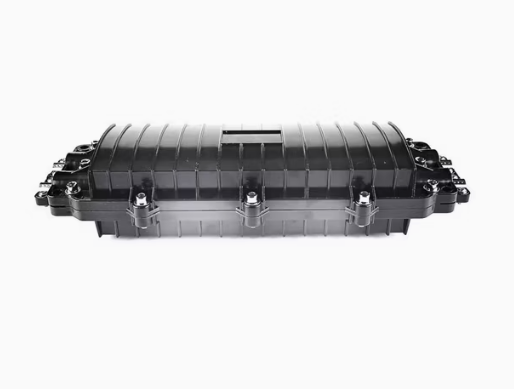
24-Core Horizontal IP68 Waterproof Fiber Optic Splice Closure
Introduction to Splice Closures
The 24-core horizontal IP68 waterproof fiber optic splice closure protects cable splices in outdoor environments. This enclosure houses and organizes fusion splices between fiber cables. The IP68 rating guarantees protection against dust and continuous water immersion. Horizontal orientation simplifies installation on poles or in manholes. Network operators rely on these closures for reliable outside plant connections.
- Protection Requirements for Outdoor Splices
Fiber splices are fragile and must be protected from environmental hazards. Moisture causes glass degradation and increased loss over time. Mechanical damage can break splices completely. Rodents and other animals may chew unprotected cables. A quality closure prevents all these failure modes.
- IP68 Rating Explained
The first digit (6) indicates complete dust-tight protection. No dust particles can enter the sealed enclosure. The second digit (8) means continuous immersion protection. The closure withstands submersion beyond 1 meter depth. This rating suits underground vaults and flooded manholes. Outdoor aerial installations also benefit from weather sealing.
Key Applications and Use Cases
These closures serve several common outside plant scenarios. Each application has specific installation requirements.
- Aerial Cable Splicing
Closures mount directly on suspension strands or poles. Horizontal orientation balances weight evenly on the cable. Multiple cable entries handle branch and express cable configurations. Aerial installations must withstand wind and ice loading. Proper mounting hardware ensures long-term stability.
- Underground and Manhole Installations
Buried cables connect through closures in handholes or vaults. The IP68 rating protects against groundwater infiltration. Closures may remain submerged for extended periods. Dome-style horizontal designs resist crushing from backfill. Operators can access closures for future network changes.
Key Features and Specifications
Several design features determine closure suitability for specific jobs. Understanding these helps buyers select appropriate products.
- Cable Entry and Sealing
Ports accommodate cables from 5mm to 25mm diameter. Heat-shrink or mechanical seals close around each cable. Port blanks seal unused entries for future expansion. The main closure seal uses O-rings or gaskets. Proper sealing is essential for maintaining IP68 rating.
- Splice Tray Configuration
Closures include trays for organizing individual splices. Each tray typically holds 12 to 24 splices. Trays stack to increase capacity within the same closure. Separate storage accommodates excess fiber length. Organized trays simplify future network modifications.
Installation Guidelines
Proper installation ensures the closure performs as designed. Following manufacturer procedures prevents common failures.
- Cable Preparation Steps
Remove outer sheaths to expose strength members and buffer tubes. Clean cable surfaces where seals will contact. Install tie cords or strength member clamps for strain relief. Position cables at marked depths in the closure base. Proper preparation is the foundation of reliable sealing.
- Sealing Verification
After closing, verify seal integrity before deployment. Positive pressure testing confirms no leakage paths exist. Visual inspection of all seals should show uniform compression. Re-check torque on all closure fasteners. Document seal verification for quality records.
FAQs
1. How long does an IP68 splice closure last outdoors?
Quality closures last 20 years or more in outdoor environments. The plastic housing resists UV degradation and temperature cycling. Seals maintain their elasticity within the specified temperature range. Routine inspections every few years confirm continued protection. Replacement is typically needed only for capacity upgrades.
2. Can I reopen the closure after initial installation?
Yes, most closures are designed for re-entry. Mechanical seals allow opening and closing multiple times. Heat-shrink seals require replacement after each opening. Re-enterable closures cost more but facilitate network changes. Choose based on expected future access needs.
3. What is the difference between horizontal and vertical splice closures?
Horizontal closures mount parallel to the cable direction. They work well on aerial strands and in manholes. Vertical closures mount with cables entering from the bottom. Vertical types are common on poles and building walls. Choice depends on mounting location and cable routing.
Company Introduction: With over 20 years of deep industry expertise, we specialize in customizing and supplying solutions for optical fibers, cables, raw materials, and manufacturing equipment. We deliver reliable technical support and product services.
About the Author: With 20 years of hands-on experience in optical transmission media, cable assemblies, and core substrate materials, we offer practical, expert insights grounded in full-industry-chain expertise.