
Shanghai Gengyun Industrial Co., Ltd
LSZH Low Smoke Zero Halogen Flame Retardant Polyolefin/POE/PE Compound
LSZH Compounds
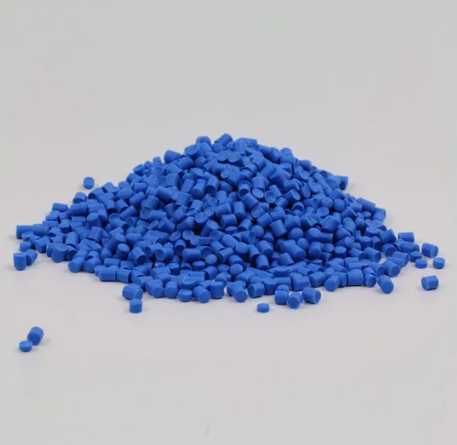
The LSZH low smoke zero halogen flame retardant compound represents the safest cable material for occupied spaces. This polyolefin-based formulation contains no halogens that could produce toxic gases during fires. The compound releases minimal smoke and no corrosive hydrogen chloride when burned. POE and PE modifiers adjust mechanical properties for specific applications. Building codes increasingly mandate LSZH materials for indoor cable installations.
- Halogen-Free Chemistry
Traditional flame retardants used chlorine or bromine compounds. These halogens produce toxic and corrosive smoke when burning. LSZH compounds use metal hydroxides like aluminum trihydrate instead. These additives release only water vapor when decomposed by heat. The combustion products are no more toxic than burning wood.
- Smoke Suppression Mechanisms
Smoke obscures exit paths and hinders fire fighter visibility. LSZH formulations minimize smoke particle generation. The metal hydroxide flame retardants also act as smoke suppressants. Char-forming additives create a protective layer over burning material. This layer reduces smoke production significantly compared to halogenated materials.
Key Applications and Use Cases
LSZH materials serve environments where human safety is paramount. Each application benefits from reduced toxicity and smoke.
- Mass Transit Systems
Trains, subways, and airplanes confine passengers in enclosed spaces. Halogenated cable smoke would be deadly in these environments. LSZH cables are mandatory for modern rail and aircraft applications. Tunnels and underground stations also specify LSZH materials. Passenger evacuation time increases with clear, non-toxic smoke conditions.
- Data Centers and Server Rooms
Data centers contain valuable equipment and limited staff access. Halogen fire gases would corrode sensitive electronics. LSZH cables protect both human and equipment safety. The low smoke allows fire fighters to see and breathe during response. Modern data center specifications require LSZH for all installed cables.
Performance Specifications
Several parameters define LSZH compound quality. Understanding these helps buyers select appropriate materials.
- Flame Retardant Ratings
LSZH compounds achieve various international flame test standards. IEC 60332-1 measures single vertical cable flame propagation. IEC 60332-3 evaluates flame spread on cable bundles. UL 1685 describes vertical tray flame test methods. Choose rating based on application and local code requirements.
- Smoke and Toxicity Limits
Smoke density measured per ASTM E662 must stay below specified limits. Specific optical density of 100-300 is typical for LSZH. Toxicity index per NES 713 calculates hazardous gas concentrations. Acid gas emission below 5% meets zero halogen definitions. Test reports confirm compliance with applicable standards.
Processing Guidelines
LSZH compounds require careful processing for optimal properties. Following these guidelines ensures consistent quality.
- Extrusion Temperature Control
LSZH compounds process within narrow temperature windows. Set barrel temperatures 20-30°C lower than standard polyolefins. Overheating causes premature flame retardant decomposition. Decomposition products create surface defects and poor properties. Monitor melt temperature closely during production.
- Screw and Die Design
Use barrier screws designed for heat-sensitive compounds. Compression ratios of 2:1 to 2.5:1 work well for LSZH. Avoid stagnant zones where material can degrade. Dies should have streamlined flow paths without sharp corners. Proper screw and die design prevents compound degradation.
FAQs
1. Is LSZH material more expensive than standard PVC cable?
Yes, LSZH compounds typically cost 30-50% more than PVC. The metal hydroxide flame retardants cost more than halogenated alternatives. Processing also requires more careful temperature control. However, safety benefits justify the cost premium for many applications. Building codes may mandate LSZH regardless of cost.
2. Does LSZH material have worse mechanical properties than PVC?
Early LSZH compounds had lower strength and flexibility than PVC. Modern formulations have closed this performance gap significantly. POE modifiers improve flexibility and low-temperature performance. Current LSZH materials meet or exceed PVC mechanical properties. However, some specialty applications may still require PVC.
3. How do I verify LSZH compliance for a cable product?
Request test reports from accredited laboratories. Verify that testing follows applicable standards for your market. Check halogen content via ion chromatography analysis. Smoke density and acidity tests confirm LSZH classification. Maintain documentation for regulatory compliance audits.
Company Introduction: With over 20 years of deep industry expertise, we specialize in customizing and supplying solutions for optical fibers, cables, raw materials, and manufacturing equipment. We deliver reliable technical support and product services.
About the Author: With 20 years of hands-on experience in optical transmission media, cable assemblies, and core substrate materials, we offer practical, expert insights grounded in full-industry-chain expertise.