
Shanghai Gengyun Industrial Co., Ltd
Anti-Interference Flexible Plastic Optical Fiber
Introduction to Plastic Optical Fiber
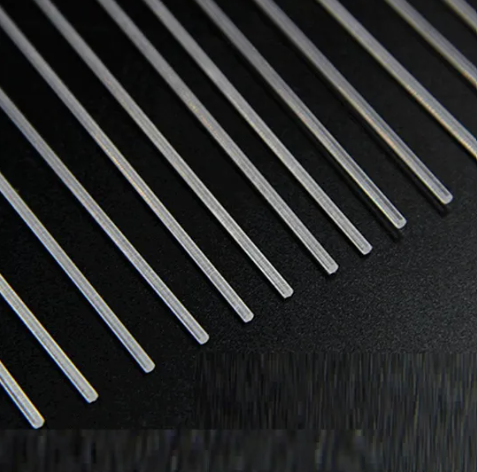
The anti-interference flexible plastic optical fiber offers immunity to electromagnetic noise. Plastic optical fiber uses polymethyl methacrylate as its core material. This large-core fiber accepts light from inexpensive LED sources. The fiber bends easily and withstands tight radius turns. Industrial and automotive applications value these properties highly.
- EMI Immunity Advantage
Plastic optical fiber transmits light rather than electrical signals. Electromagnetic fields do not affect light transmission at all. Motors, drives, and relays create no interference on POF links. This immunity eliminates shielding and grounding requirements. System reliability improves significantly in factory environments.
- Flexibility and Handling Benefits
The large core and plastic construction allow very tight bends. Minimum bend radius can be as small as 5mm. Connector termination uses simple crimp or polish procedures. Installation requires no special tools or training. These handling advantages reduce labor costs significantly.
Key Applications and Use Cases
Plastic optical fiber serves applications where glass fiber is overkill. The technology shines in shorter-distance electrically noisy environments.
- Industrial Control Networks
Factories use POF for machine-to-machine communication. The fiber runs alongside power cables without interference issues. Speeds up to 100Mbps serve most control applications well. Distances up to 50 meters cover typical machine footprints. Fieldbus systems like PROFINET support POF physical layers.
- Automotive In-Vehicle Networks
Modern vehicles contain numerous electromagnetic interference sources. Electric motors, inverters, and chargers create harsh electrical noise. Plastic optical fiber links remain unaffected by this environment. Infotainment and driver assistance systems use POF connections. The fiber’s flexibility simplifies routing through vehicle structures.
Performance Characteristics
Understanding POF specifications helps match the technology to applications. Several parameters differ significantly from glass fiber.
- Attenuation and Distance Limits
Plastic optical fiber loses light at about 0.2 dB per meter at 650nm. This limits practical distances to 50-100 meters. Glass fiber offers much lower loss for longer links. However, many industrial applications fit within POF distance limits. The trade-off is acceptable for these use cases.
- Temperature Range Considerations
Standard POF operates from -40°C to +85°C. This range covers most industrial and automotive requirements. Special grades extend to higher temperatures for under-hood applications. The plastic material softens above the glass transition temperature. Users should verify temperature ratings for their environment.
Installation Best Practices
Proper installation maximizes POF performance and reliability. Following guidelines prevents common problems.
- Bend Radius Management
Although POF bends tightly, avoid sustained sharp bends over time. Stress relaxation can cause increased loss at extreme bends. Use cable management that maintains recommended minimum radii. Leave service loops for future re-termination needs. These practices ensure long-term link reliability.
- Connector Termination Methods
Crimp connectors offer quick installation for most applications. The fiber is cut, inserted, and crimped in one operation. Polish connectors provide lower loss for demanding links. Preparation requires simple tools and minimal training. Clean cuts are essential for low-loss terminations.
FAQs
1. How does plastic optical fiber compare to glass fiber for industrial use?
Plastic fiber costs less and installs more easily than glass. It accepts tight bends and requires no cleaning or inspection tools. However, glass fiber offers lower loss and longer distance capability. For short industrial links under 50 meters, plastic fiber is often the better choice. For longer runs, glass fiber becomes necessary.
2. Is plastic optical fiber truly immune to all electromagnetic interference?
Yes, because it uses light rather than electrical signals for transmission. No current or voltage exists in the fiber to couple with electromagnetic fields. This immunity is complete across all frequencies and field strengths. Even nearby lightning strikes do not affect POF transmission.
3. What is the typical data rate and distance for POF?
Standard POF supports 100Mbps to 50 meters with LED sources. With specialized transceivers, 1Gbps is possible to shorter distances. Newer graded-index POF reaches 10Gbps to 100 meters. The technology continues to improve with better materials and components.
Company Introduction: With over 20 years of deep industry expertise, we specialize in customizing and supplying solutions for optical fibers, cables, raw materials, and manufacturing equipment. We deliver reliable technical support and product services.
About the Author: With 20 years of hands-on experience in optical transmission media, cable assemblies, and core substrate materials, we offer practical, expert insights grounded in full-industry-chain expertise.