
Shanghai Gengyun Industrial Co., Ltd
Non-Conductive Water Blocking Tape for Electrical Cables
Introduction to Water Blocking Tape
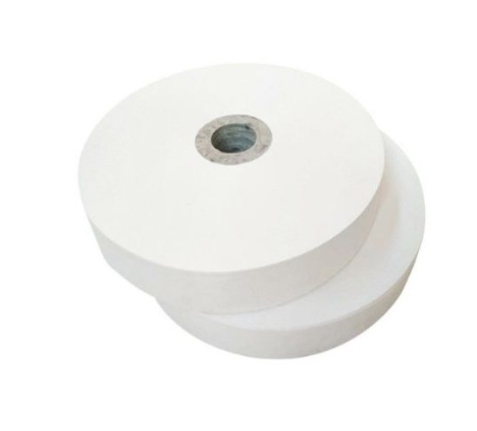
The high quality non-conductive water blocking tape prevents moisture migration inside electrical cables. This 0.2mm thick tape contains super absorbent polymer particles that swell upon water contact. The swelling action seals any gaps where water might enter. Non-conductive construction ensures the tape does not affect cable electrical properties. Cable manufacturers apply this tape under armor or sheathing layers for longitudinal waterproofing.
- Water Blocking Mechanism
Super absorbent polymer particles expand to many times their dry volume. When water contacts the tape, these particles swell rapidly. The swollen polymer fills voids and prevents further water movement. This blocking action confines moisture to a short cable section. The cable remains functional despite localized water ingress.
- Non-Conductive Property Importance
Electrical cables cannot tolerate conductive materials inside their construction. Non-conductive water blocking tape uses polymer rather than metal-based swell agents. The tape maintains high volume resistivity even when wet. No electrical leakage paths form through the tape layer. This safety feature is essential for power cable applications.
Key Applications and Use Cases
Water blocking tape serves critical functions in several cable types. Each application leverages the tape’s unique moisture protection properties.
- Medium Voltage Power Cables
Water ingress degrades XLPE insulation in medium voltage cables. Longitudinal water migration spreads damage along the cable length. Water blocking tape stops this migration at the point of entry. The tape is applied over the insulation screen before armor application. This protection extends cable service life significantly.
Optical fibers require dry environments for reliable performance. Water blocking tape within loose tube cables absorbs any moisture. The tape also provides cushioning between fibers and tube walls. Dry cable designs use water blocking tape instead of gels. These cables are cleaner to install and maintain.
Performance Specifications
Several parameters determine water blocking tape effectiveness. Engineers should understand these for proper material selection.
- Swell Height and Speed
Swell height measures how much the tape expands when wetted. Quality tape achieves 3-5mm swell height within minutes. Faster swelling limits water migration distance. Swell speed depends on polymer type and particle distribution. Manufacturers provide test data under various water conditions.
- Tensile and Handling Properties
The tape must withstand cable manufacturing stresses without breaking. Tensile strength of 50-100 N/cm is typical for quality tape. Elongation of 10-20% allows wrapping around cable cores. The tape should not shed particles during processing. Good handling properties reduce manufacturing defects.
Application Guidelines
Proper application ensures water blocking tape performs as designed. Following these guidelines prevents common manufacturing issues.
- Overlap and Tension Settings
Apply tape with 25-50% overlap for complete core coverage. Tension should be sufficient for good contact without stretching. Excessive tension can break the tape or reduce swell performance. Consistent tension produces uniform water blocking protection. Monitor tension during production runs.
- Compatibility with Other Materials
The tape must be compatible with cable filling compounds and sheathing materials. Some compounds may inhibit polymer swelling action. Test compatibility before full production implementation. The tape adhesive should bond to underlying cable components. Material compatibility ensures long-term performance.
FAQs
1. How long does water blocking tape remain effective?
Quality water blocking tape lasts the full cable service life of 30+ years. The super absorbent polymer remains functional indefinitely in dry conditions. Swelling capability only activates upon water contact. Once swelled, the polymer may not block subsequent water events. However, the initial activation stops further water migration permanently.
2. Can water blocking tape replace traditional cable flooding compounds?
Yes, tape often replaces messy flooding compounds in modern cables. Tape is cleaner to apply and easier to strip during termination. However, tape may cost more than compound on a material basis. The choice depends on manufacturing preferences and cable specifications. Many premium cables now specify tape rather than compound.
3. Does the tape affect cable electrical properties?
No, non-conductive water blocking tape maintains high electrical resistance. The tape does not introduce conductive paths or change capacitance. Volume resistivity typically exceeds 10^12 ohm-cm. This ensures no impact on power or signal transmission. Electrical testing confirms tape suitability for all cable voltage classes.
Company Introduction: With over 20 years of deep industry expertise, we specialize in customizing and supplying solutions for optical fibers, cables, raw materials, and manufacturing equipment. We deliver reliable technical support and product services.
About the Author: With 20 years of hands-on experience in optical transmission media, cable assemblies, and core substrate materials, we offer practical, expert insights grounded in full-industry-chain expertise.