Shanghai Gengyun Industrial Co., Ltd
High Strength High-Temperature Resistant Aramid Yarn for Ropes & Vests
Aramid Yarn
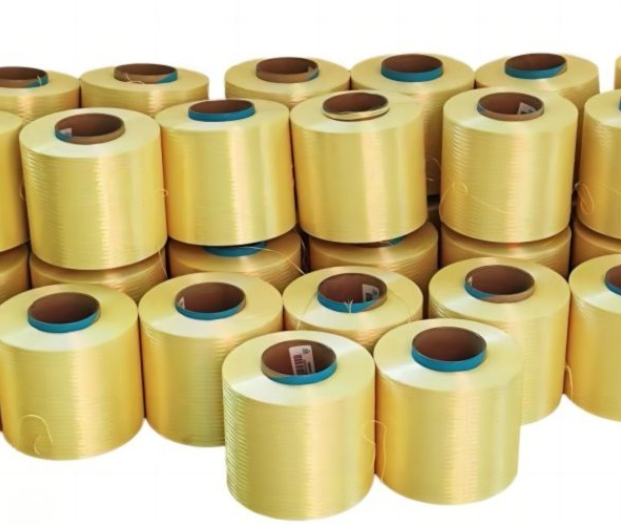
The high strength high-temperature resistant aramid yarn provides tensile reinforcement for optical cables. This para-aramid fiber offers exceptional strength-to-weight ratio. The material maintains its properties across wide temperature ranges. Cable manufacturers use aramid yarn as a strength member around fiber cores. The yarn prevents fiber strain during cable installation and use.
- Aramid Chemistry Overview
Aramid fibers are synthetic aromatic polyamides with rigid molecular chains. These chains align parallel to the fiber axis during manufacturing. This alignment creates exceptional tensile strength and modulus. The aromatic structure provides thermal stability up to 500°C. No melting occurs; the fiber chars at extreme temperatures.
- Grades and Types Available
Several commercial aramid grades serve cable applications. DuPont Kevlar, Teijin Twaron, and Kolon Heracron are common brands. Different grades offer varying strength and modulus combinations. Some grades have improved UV resistance for outdoor use. Others focus on moisture resistance for underwater cables.
Key Applications and Use Cases
Aramid yarn serves critical strength member functions in cables. Each application leverages the fiber’s unique properties.
- Fiber Optic Cable Strength Members
Optical fibers cannot tolerate tensile strain during installation. Aramid yarn wraps around fiber cores to carry pulling loads. The yarn’s low weight adds minimal cable mass. Its flexibility allows tight cable bending without breaking. Most distribution and drop cables use aramid strength members.
- Hybrid Composite Cables
Cables combining power and fiber need robust strength members. Aramid yarn provides high strength without electrical conductivity. The material resists fatigue during dynamic cable flexing. Hybrid cables use aramid alongside copper conductors. This construction provides both strength and signal transmission.
Performance Specifications
Several parameters define aramid yarn quality for cable use. Understanding these helps engineers select appropriate products.
- Tensile Properties
Typical tenacity ranges from 20 to 30 grams per denier. Breaking strength varies with yarn denier and construction. Initial modulus of 500-1000 g/denier provides low stretch. Elongation at break of 2-4% is typical for aramid fibers. These properties prevent fiber strain under cable pulling loads.
- Thermal and Environmental Stability
Aramid retains 90% of strength after 100 hours at 250°C. The fiber resists most chemicals except strong acids and bases. Moisture absorption of 3-7% affects some electrical properties. UV exposure causes gradual strength loss without protection. Choose appropriate grade for environmental conditions.
Application Guidelines
Proper aramid yarn handling ensures cable quality. Following these guidelines prevents manufacturing issues.
- Tension Control During Application
Apply aramid yarn with consistent tension to avoid fiber damage. Excessive tension can break individual filaments. Too little tension allows yarn movement within the cable. Use tension monitoring systems on payoff equipment. Consistent application produces uniform cable properties.
- Splicing and Termination
Aramid yarn does not splice like metallic strength members. Use mechanical clamps to secure yarn at termination points. The yarn can be tied off or potted with epoxy. Some connectors incorporate aramid clamping mechanisms. Proper termination prevents yarn pull-out under tension.
FAQs
1. How does aramid compare to steel for cable strength members?
Aramid offers higher strength-to-weight ratio than steel. The fiber is flexible and does not kink like wire. Aramid is non-conductive, eliminating grounding concerns. However, aramid costs more than steel on a per-cable basis. Steel may still be preferred for very high tension applications.
2. Does aramid yarn degrade over time in cables?
Aramid is stable for decades in normal cable environments. Hydrolysis can occur in wet, high-temperature conditions. UV exposure degrades aramid if the cable sheath is transparent. Proper cable construction protects the yarn from environmental attack. Accelerated aging tests show minimal strength loss over 25+ years.
3. Can aramid yarn be colored for cable identification?
Yes, aramid yarn is available in various colors for identification purposes. Solution dyeing during fiber production provides permanent color. Colored yarns help identify cable lay lengths during manufacturing. Color coding also aids field identification of different cable types. Standard colors include yellow, red, blue, and black.