
Shanghai Gengyun Industrial Co., Ltd
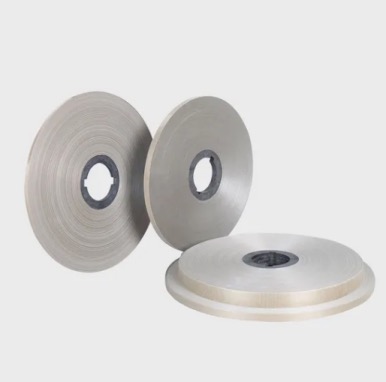
Single-Side Fiberglass Reinforced Phlogopite Insulation Mica Tape
Introduction to Mica Tape Insulation The single-side fiberglass reinforced phlogopite insulation mica tape provides fire resistance for critical circuit cables. Phlogopite mica, a potassium magnesium aluminum silicate, withstands extreme temperatures. The fiberglass backing adds mechanical strength for cable manufacturing and installation. This tape maintains electrical insulation even after exposure to fire. Fire rated cables rely on this […]
Introduction to Mica Tape Insulation
The single-side fiberglass reinforced phlogopite insulation mica tape provides fire resistance for critical circuit cables. Phlogopite mica, a potassium magnesium aluminum silicate, withstands extreme temperatures. The fiberglass backing adds mechanical strength for cable manufacturing and installation. This tape maintains electrical insulation even after exposure to fire. Fire rated cables rely on this material for circuit integrity under flame conditions.
- Mica Type Selection
Phlogopite mica offers higher temperature stability than muscovite types. It withstands continuous temperatures up to 1000°C. The material does not release water of crystallization when heated. This property prevents steam formation that could damage surrounding materials. Phlogopite is the preferred choice for fire survival cables.
- Reinforcement Design
Fiberglass fabric on one side provides handling strength during wrapping. The glass reinforcement prevents tape tearing during high-speed application. It also maintains tape integrity during cable flexing and bending. The single-side design leaves mica exposed for electrical contact. This construction balances performance and manufacturability.
Key Applications and Use Cases
Mica tape cables serve critical safety applications. Each use case requires fire survival capability.
- Emergency Lighting Circuits
Building codes require emergency lighting to function during fires. Mica tape insulated cables maintain power to these lights. The cable continues operating even when exposed to flame. Occupants can evacuate using illuminated exit paths. Fire fighters also benefit from maintained lighting during rescue operations.
- Fire Alarm and Detection Systems
Fire alarm cables must survive to transmit alarm signals. Mica tape insulation ensures circuit integrity during fire conditions. The system continues detecting smoke and sounding alarms. This capability is essential for early warning and suppression activation. Building safety depends on these cables working during emergencies.
Performance Specifications
Several parameters define mica tape quality and suitability. Understanding these helps buyers select appropriate products.
- Thermal Endurance Ratings
Fire rated cables typically specify 90, 120, or 180 minute survival. Mica tape construction determines achievable fire rating. Phlogopite tapes achieve the highest survival times. The tape must maintain insulation resistance above specified minimums. Standard test methods like IEC 60331 verify performance.
- Electrical Properties
Mica tape provides excellent dielectric strength for power cables. Typical dielectric strength exceeds 20 kV/mm for quality tape. Volume resistivity remains high even at elevated temperatures. The tape does not contribute to partial discharge activity. These properties suit medium voltage fire rated cables.
Application Guidelines
Proper mica tape application ensures fire performance. Following these guidelines prevents manufacturing defects.
- Wrapping Tension and Overlap
Apply mica tape with consistent tension to avoid gaps. Overlap of 25-50% provides complete conductor coverage. Too much tension can crack the mica layer. Too little tension allows tape movement during cable use. Monitor wrapping parameters continuously during production.
- Compatibility with Extruded Jackets
Mica tape must bond properly with over-extruded insulation materials. Some polymers do not adhere well to mica surfaces. Use tie layers or adhesion promoters as needed. The extrusion temperature should not damage the mica layer. Test compatibility before full production runs.
FAQs
1. What is the difference between phlogopite and muscovite mica tape?
Phlogopite withstands higher temperatures up to 1000°C. Muscovite begins degrading above 700°C and releases water when heated. Phlogopite is preferred for fire survival cables requiring longer ratings. Muscovite costs less and suits less demanding applications. The choice depends on required fire resistance time.
2. Can mica tape cables be spliced in the field?
Yes, but splices require special care to maintain fire rating. Use fire rated splice kits with mica tape wrapping. The splice area must provide equivalent insulation to the cable. Test splices per applicable standards before commissioning. Some applications prohibit splices entirely for fire circuits.
3. How does mica tape compare to ceramic tape for fire resistance?
Mica tape offers better flexibility for cable manufacturing. Ceramic tape can be brittle and harder to wrap consistently. Both materials achieve similar fire survival performance. Mica is more common for standard fire rated cables. Ceramic may be specified for extreme temperature or vibration applications.
Company Introduction: With over 20 years of deep industry expertise, we specialize in customizing and supplying solutions for optical fibers, cables, raw materials, and manufacturing equipment. We deliver reliable technical support and product services.
About the Author: With 20 years of hands-on experience in optical transmission media, cable assemblies, and core substrate materials, we offer practical, expert insights grounded in full-industry-chain expertise.