
Shanghai Gengyun Industrial Co., Ltd
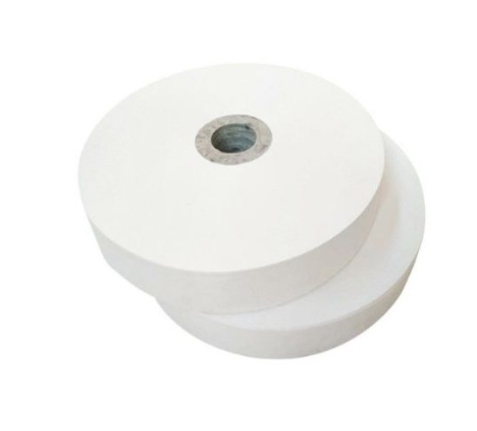
High Quality Non-Conductive Water Blocking Tape
Super Absorbent Polymer Fundamentals High quality non-conductive water blocking tape contains super absorbent polymers that swell upon water contact. These polymers can absorb hundreds of times their weight in water. The swelling action physically blocks water migration paths inside cables. Understanding SAP chemistry enables better tape selection. Different polymer types offer different swelling characteristics. Sodium polyacrylate […]
Super Absorbent Polymer Fundamentals
High quality non-conductive water blocking tape contains super absorbent polymers that swell upon water contact. These polymers can absorb hundreds of times their weight in water. The swelling action physically blocks water migration paths inside cables. Understanding SAP chemistry enables better tape selection. Different polymer types offer different swelling characteristics.
- SAP Chemical Type
Sodium polyacrylate is the most common SAP chemistry. Polyacrylamide copolymers offer different swelling properties. Cross-linked polyvinyl alcohol provides alternative performance. Each chemistry has specific electrolyte sensitivity and swelling kinetics. Polymer selection affects performance in various water chemistries.
- Cross-Linking Density Effects
Higher cross-linking density reduces maximum swell capacity. Lower cross-linking creates softer gels with less mechanical strength. Cross-linker type affects swelling rate and temperature response. Optimal cross-linking balances capacity with gel strength. Network architecture determines fundamental SAP properties.
Swell Kinetics and Performance
How quickly the tape swells matters for water blocking effectiveness. Several factors affect swell speed and final swell height.
- Swell Rate Measurement
Swell height is measured at intervals after water exposure. Initial swelling occurs within seconds for quality tapes. Full swell height typically achieves in 2-5 minutes. Test methods specify water temperature and composition. Swell rate testing distinguishes fast-acting from slow-swelling products.
- Factors Affecting Swell Performance
Water temperature significantly affects swelling speed. Ionic content (salinity) reduces swell capacity. pH extremes may degrade some polymer types. Pressure during swelling can limit expansion. Environmental factors must be considered in application testing.
Standard Test Methods
Several standardized tests evaluate water blocking tape performance. Understanding these methods helps interpret supplier data.
- Water Penetration Test
IEC 60794-1-2 method F5 measures water blocking effectiveness. A water column applies pressure to one cable end. The test measures how far water travels along the cable. Tape passes if water penetration stays within specified length. Penetration testing verifies tape performance in actual cable construction.
- Swell Height Measurement
ASTM or ISO methods quantify swell height under defined conditions. Tape samples are immersed and measured at specified times. Results are reported as swell height in millimeters. Test conditions including water type are documented. Swell height correlates with water blocking capability.
Long-Term Effectiveness Verification
Water blocking tape must remain effective for the cable’s service life. Several concerns affect long-term performance.
- Aging and Degradation Studies
Accelerated aging tests simulate decades of service. Elevated temperature exposure tests thermal stability. Humidity cycling checks for premature swelling. Chemical compatibility with cable materials is verified. Aging studies confirm tape remains functional over expected lifetime.
- Reusability After Swelling
Most SAPs swell only once effectively. Subsequent water events may not be blocked. The first water entry is sealed at the entry point. No additional water can reach the swelled section. Single-use limitation means the tape prevents further migration but doesn’t reset.
FAQs
1. Can water blocking tape swell in high humidity without liquid water?
SAPs absorb water vapor but swell much less than with liquid water. Very high humidity over long periods may cause some swelling. However, significant blocking action requires liquid water contact. The tape is designed for liquid ingress protection. Humidity alone rarely causes performance issues.
2. How does salt water affect SAP swelling performance?
Saline water significantly reduces SAP swell capacity. Sodium ions interfere with the polymer’s osmotic driving force. Seawater may reduce swell height by 50-90% compared to fresh water. For marine or coastal applications, test with relevant water chemistry. Some SAP types are formulated for better salt tolerance.
3. Does the tape lose effectiveness over time in dry cables?
Properly formulated SAPs remain effective for decades in dry conditions. No chemical degradation occurs without water exposure. The polymer remains ready to swell when needed. Accelerated aging tests confirm long-term stability. Shelf life is typically not a concern for dry storage conditions.