
Shanghai Gengyun Industrial Co., Ltd
Galvanized Steel Wire Rope – Diameter 8.0–16.0 mm for Cables
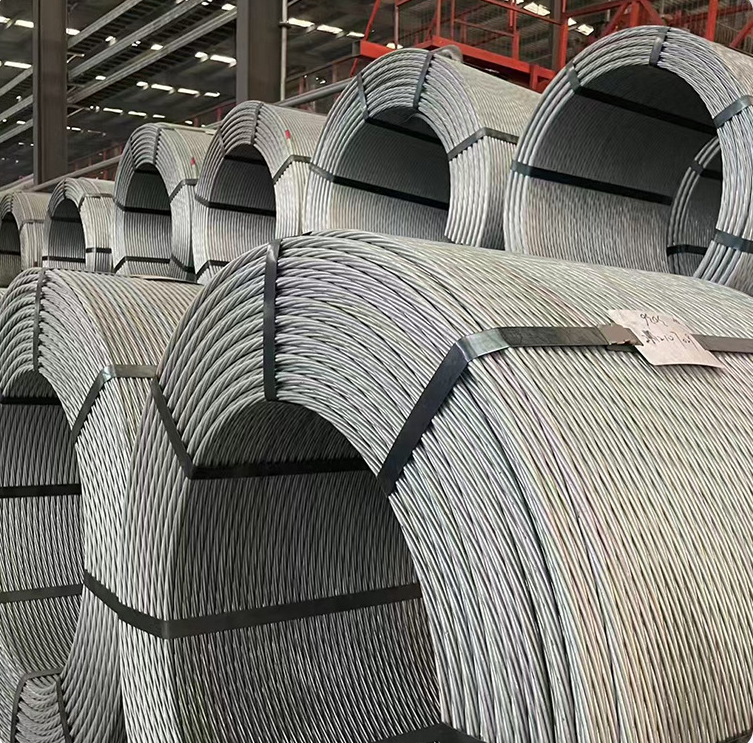
Introduction to Steel Wire Rope The galvanized steel wire rope with diameters from 8.0 to 16.0 mm provides robust tensile strength for cable applications. This wire rope serves as a messenger strand for aerial cables or as a central strength member. The galvanized coating protects against corrosion in outdoor environments. Multiple wire strands twisted together create flexibility […]
Introduction to Steel Wire Rope
The galvanized steel wire rope with diameters from 8.0 to 16.0 mm provides robust tensile strength for cable applications. This wire rope serves as a messenger strand for aerial cables or as a central strength member. The galvanized coating protects against corrosion in outdoor environments. Multiple wire strands twisted together create flexibility despite high strength. Cable manufacturers specify this product for demanding mechanical requirements.
- Wire Rope Construction Types
Several construction options exist within the 8-16mm diameter range. 6×19 construction uses six strands of 19 wires each for general use. 6×36 construction offers greater flexibility for bending applications. Compacted strand designs reduce diameter while maintaining strength. The choice depends on required flexibility and breaking load. Each construction type has specific application advantages.
- Galvanized Coating Protection
Hot-dip galvanizing applies a thick zinc layer to each wire. This coating prevents rust even with long-term outdoor exposure. The zinc sacrifices itself to protect the underlying steel. Coating weight is measured in grams per square meter. Class A (heavy) galvanizing offers maximum corrosion protection.
Key Applications and Use Cases
Steel wire rope serves critical functions in cable systems. Each application requires specific performance characteristics.
- ADSS Cable Messenger Support
Aerial ADSS cables sometimes require separate messenger support. The steel wire rope carries the cable’s weight across spans. This messenger attaches to poles with standard hardware. The cable then lashes to the messenger strand. This configuration allows longer spans than self-supporting cable.
- Figure-8 Aerial Cable Strength Member
Figure-8 cables integrate the messenger into the cable jacket. A steel wire rope sits in a separate leg of the figure-8 shape. This integrated design simplifies aerial installation significantly. The steel member carries all tensile loads during and after installation. This construction is common for FTTH distribution networks.
Performance Specifications
Several parameters define steel wire rope suitability for cable applications. Engineers must understand these for proper specification.
- Breaking Strength Ratings
Breaking strength depends on diameter, construction, and steel grade. An 8mm rope typically breaks at 30-40 kN. A 16mm rope achieves breaking loads of 120-160 kN. Safety factors of 3-5 are applied for permanent installations. Manufacturer data tables provide exact ratings for each product. Always verify breaking strength matches application requirements.
- Weight and Flexibility
Wire rope weight affects sag calculations for aerial spans. An 8mm rope weighs approximately 0.25-0.30 kg per meter. A 16mm rope weighs about 1.0-1.2 kg per meter. Minimum bend radius is typically 10-15 times rope diameter. Smaller diameter ropes offer greater flexibility for tight bends.
Installation and Handling Guidelines
Proper handling preserves wire rope integrity and safety. Following these guidelines prevents premature failure.
- Cutting and Termination
Cut steel wire rope using abrasive saws or hydraulic cutters. Never use flame cutting which damages the galvanized coating. Apply seizing wire before cutting to prevent strand unraveling. Terminate with matched swaged fittings or wedge sockets. Proper termination maintains full breaking strength of the rope.
- Corrosion Prevention After Cutting
Cut ends expose bare steel to corrosion risk. Apply cold galvanizing compound to all cut ends. Protect threaded terminations with anti-seize compound. Inspect galvanized coating for damage during handling. Touch up any scratches or abrasions promptly.
FAQs
1. What is the difference between galvanized and stainless steel wire rope?
Galvanized steel costs significantly less than stainless steel. However, stainless steel offers superior corrosion resistance. Galvanized coating can be damaged by abrasion or bending. Stainless steel maintains protection even with surface damage. For most outdoor cable applications, galvanized steel is sufficient and economical.
2. How long does galvanized wire rope last outdoors?
Service life ranges from 10 to 30 years depending on environment. Coastal or industrial areas accelerate zinc consumption. Regular inspection identifies coating deterioration before steel rusts. The rope should be replaced when red rust appears. Rural environments provide the longest service life.
3. Can steel wire rope be spliced in the field?
Yes, but mechanical splices are recommended over hand splicing. Wire rope clips or swaged fittings provide reliable field splices. Hand splicing requires specialized skills and tools. Splice efficiency (strength retention) varies by method. Mechanical splices typically retain 80-100% of rated strength.
Company Introduction: With over 20 years of deep industry expertise, we specialize in customizing and supplying solutions for optical fibers, cables, raw materials, and manufacturing equipment. We deliver reliable technical support and product services.
About the Author: With 20 years of hands-on experience in optical transmission media, cable assemblies, and core substrate materials, we offer practical, expert insights grounded in full-industry-chain expertise.