
Shanghai Gengyun Industrial Co., Ltd
RoHS Compliant 100G 10km CFP4/QSFP Optical Transceiver
100G Transceivers The RoHS compliant 100G 10km CFP4 and QSFP optical transceivers enable high-speed links over moderate distances. These modules convert electrical signals to optical for transmission over single-mode fiber. The 10km reach suits data center interconnect and campus backbone applications. RoHS compliance ensures no restricted hazardous materials are present. Network operators choose between form factors based […]
100G Transceivers
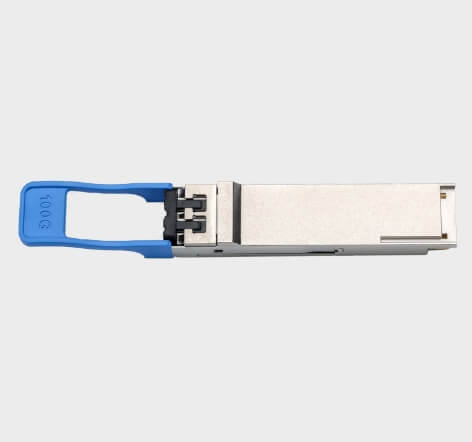
The RoHS compliant 100G 10km CFP4 and QSFP optical transceivers enable high-speed links over moderate distances. These modules convert electrical signals to optical for transmission over single-mode fiber. The 10km reach suits data center interconnect and campus backbone applications. RoHS compliance ensures no restricted hazardous materials are present. Network operators choose between form factors based on equipment compatibility.
- Form Factor Comparison
CFP4 represents the fourth generation of CFP (C form-factor pluggable) modules. This form factor measures approximately 42 x 27 mm. QSFP (quad small form-factor pluggable) is smaller at 18 x 13 mm. QSFP supports higher port density on switch line cards. CFP4 may be found on older or specialized equipment. Both support 100Gbps data rates.
- 10km Reach Capability
These transceivers use 1550nm wavelength for low fiber attenuation. APD (avalanche photodiode) receivers provide sensitivity for 10km links. Typical link budget of 8-10 dB accommodates patch panel connections. Dispersion compensation is not required at this distance. Standard single-mode fiber (G.652) works perfectly for 10km reaches.
Key Applications and Use Cases
100G transceivers serve several high-bandwidth network scenarios. Each application benefits from the 10km reach capability.
- Data Center Interconnect (DCI)
Data centers within a metropolitan area connect via dark fiber. 100G transceivers provide the interface for these DCI links. The 10km reach covers most campus and metro DCI applications. Multiple wavelengths can be multiplexed for higher aggregate capacity. DCI links require reliable, temperature-stable transceiver operation.
- Enterprise Campus Backbones
Large enterprise campuses connect buildings with fiber backbone links. 100G capacity supports aggregation of many 10G access links. The 10km reach exceeds most campus distance requirements. Redundant links provide high availability for critical services. Enterprise IT teams value standard form factors for easy sparing.
Performance Specifications
Several parameters define 100G transceiver quality and compatibility. Understanding these helps buyers select appropriate modules.
- Optical Interface Parameters
Transmitter output power ranges from -4 to +4 dBm typically. Receiver sensitivity is better than -14 dBm for 10km links. Center wavelength stability is maintained within specified limits. Extinction ratio exceeds 4 dB for clear signal differentiation. These parameters ensure reliable link operation.
- Digital Diagnostic Monitoring
DDM provides real-time transceiver status information. Temperature, supply voltage, and bias current are monitored. Optical transmit and receive power levels are reported. This data helps predict potential failures before they occur. Network management systems can poll DDM values periodically.
Installation and Compatibility
Proper handling ensures transceiver reliability. Following these guidelines prevents damage and compatibility issues.
- ESD Protection Measures
Optical transceivers are sensitive to electrostatic discharge. Use grounded wrist straps when handling modules. Store transceivers in anti-static bags when not installed. Never touch the electrical connector gold fingers. ESD damage may cause intermittent or complete failure.
- Cleaning and Inspection
Clean transceiver optical ports before inserting fiber connectors. Use dry cleaning tools designed for the specific connector type. Inspect ports with a fibers cope before connection. Contamination can cause permanent damage to optical interfaces. Clean connectors before mating with transceiver ports.
FAQs
1. Can I use a 10km transceiver for shorter distances?
Yes, 10km transceivers work perfectly for shorter distances. The optical power may need attenuation for very short links. Some transceivers include automatic power adjustment features. Without attenuation, receivers could be overloaded at zero meters. Use optical attenuators for links under 100 meters if needed.
2. What fiber type is required for 10km 100G operation?
Standard single-mode fiber (G.652) is required for 10km reaches. Multimode fiber cannot support 100G to 10km distances. The transceiver expects a 9/125 micron single-mode fiber interface. Color coding of patch cords should be yellow or blue. Using the wrong fiber type will cause link failure.
3. Are CFP4 and QSFP transceivers interchangeable?
No, they are physically different and not interchangeable. QSFP is smaller and has different electrical interface. Equipment is designed for one form factor or the other. However, breakout cables can convert between form factors externally. Always verify the required form factor before purchasing.
Company Introduction: With over 20 years of deep industry expertise, we specialize in customizing and supplying solutions for optical fibers, cables, raw materials, and manufacturing equipment. We deliver reliable technical support and product services.
About the Author: With 20 years of hands-on experience in optical transmission media, cable assemblies, and core substrate materials, we offer practical, expert insights grounded in full-industry-chain expertise.