
Shanghai Gengyun Industrial Co., Ltd
Armored Flame Retardant Stranded Loose Tube Optical Cable
Armored Loose Tube Cable
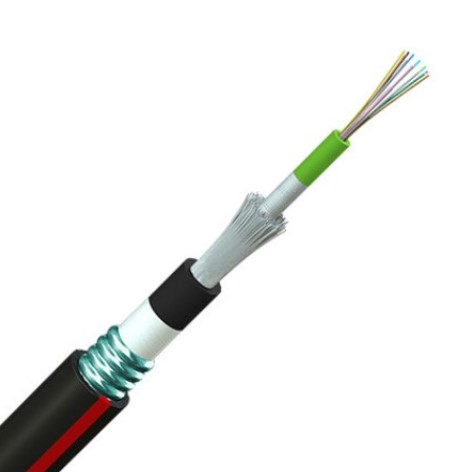
The armored flame retardant stranded loose tube optical cable offers robust protection for demanding environments. Steel or aluminum armor provides mechanical defense against rodents and impacts. The loose tube design isolates fibers from cable contraction during cold temperatures. Stranded construction allows flexible routing around obstacles. This cable type serves industrial, inter-building, and direct burial applications.
- Armor Layer Function
Corrugated steel tape wraps around the cable core to create a rigid barrier. Rodents cannot chew through this metal layer to reach the fibers. Impact forces distribute across the armor rather than crushing buffer tubes. The armor also provides some resistance to backhoe and shovel strikes. Double-tape armor offers even greater protection for extreme conditions.
- Loose Tube Design Advantages
Each buffer tube contains multiple fibers with excess length relative to the tube. This excess fiber length allows the cable to stretch without stressing the glass. When temperatures drop, the cable contracts but fibers remain slack. This design ensures low loss across wide temperature ranges. Water-blocking gel or dry materials fill the tubes to prevent moisture ingress.
Key Applications and Use Cases
Armored cables serve environments where standard cables would fail. Each application requires the specific protection armor provides.
- Direct Burial Installation
Buried cables face threats from rodents and construction activity. Armored cable resists gopher and rodent chewing attacks. The metal layer also signals cable location to underground utility locators. Direct burial armored cable requires no conduit in many installations. This simplifies deployment while maintaining long-term reliability.
- Industrial Plant Cabling
Factories contain heavy equipment and moving vehicles that can damage cables. Armored cable withstands accidental impacts and wheel loads. The flame retardant sheath prevents fire propagation in industrial settings. Chemical resistance of the sheath suits manufacturing environments. This robust construction reduces maintenance and replacement costs.
Performance Specifications
Several parameters determine cable suitability for specific installations. Understanding these helps buyers select appropriate products.
- Flame Retardant Ratings
Cables meet various fire safety standards depending on application. OFNR (riser) rating allows installation in building vertical shafts. OFNP (plenum) rating permits use in air handling spaces. LSZH (low smoke zero halogen) sheaths reduce toxic fume emission. Choose rating based on local building codes and application requirements.
- Temperature Range Capability
Standard armored loose tube cables operate from -40°C to +70°C. The loose tube design enables this wide temperature performance. Special low-temperature versions extend to -60°C for arctic use. High-temperature ratings up to +85°C suit industrial hot zones. Verify temperature range matches the installation environment.
Installation Guidelines
Armored cable requires specific handling techniques for best results. Following these guidelines prevents damage during installation.
- Armor Bonding and Grounding
Metallic armor must be properly bonded at termination points. Ground the armor to prevent electrical shock hazards. In power utility environments, bonding requirements may be stricter. Use armor stop kits designed for the specific cable type. Proper grounding also improves lightning protection for the fiber.
- Bending and Pulling Considerations
Armored cable has larger minimum bend radius than unarmored types. Typically, bend radius should not exceed 20 times cable diameter. Pull tension applies to the strength members, not the armor. The armor can kink if bent too sharply during handling. Use cable rollers and guides to manage heavy armored cable.
FAQs
1. Does armor make the cable completely rodent-proof?
Corrugated steel armor stops most rodent attacks effectively. However, very determined rodents may eventually damage exposed armor edges. Proper cable routing away from known infestation areas helps. Some specifications add a second armor layer for extreme rodent risk. No cable is completely indestructible, but armor provides excellent protection.
2. Can armored cable be used in aerial installations?
Yes, armored cable works for aerial installation on messenger strands. However, the added weight requires stronger support hardware. All-dielectric self-supporting cable may be more economical for aerial use. Armored cable is heavier and harder to handle on poles. Consider these factors when selecting cable type.
3. How do I terminate armored cable properly?
Use termination kits designed for the specific armor type. These kits include armor stop clamps and grounding hardware. Remove the outer sheath to expose the armor layer. Clamp the armor securely before further stripping the cable. Follow manufacturer instructions carefully for reliable termination.
Company Introduction: With over 20 years of deep industry expertise, we specialize in customizing and supplying solutions for optical fibers, cables, raw materials, and manufacturing equipment. We deliver reliable technical support and product services.
About the Author: With 20 years of hands-on experience in optical transmission media, cable assemblies, and core substrate materials, we offer practical, expert insights grounded in full-industry-chain expertise.