Category News

Gdfjh Opto Electric Composite Cable for Access Network
Optoelectronic composite cable

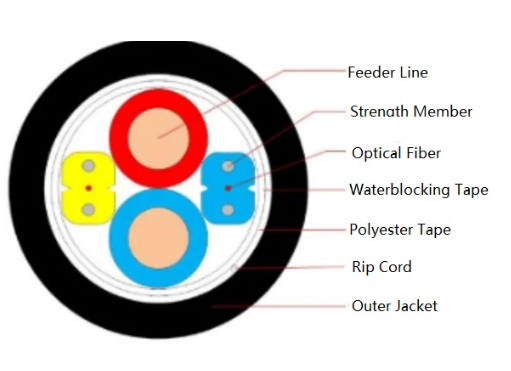
Termination Challenges Overview Terminating Gdfjh Opto electric composite cable presents unique challenges compared to single-type cables. The installer must handle both fiber and copper elements in one assembly. Separation of the two transmission media requires careful technique. Each element has different termination requirements and tools. Proper termination ensures both power and data connections remain reliable. Composite cable […]
Photosensitive Fiber Preform Rod / Specialty Fiber Preform Rod

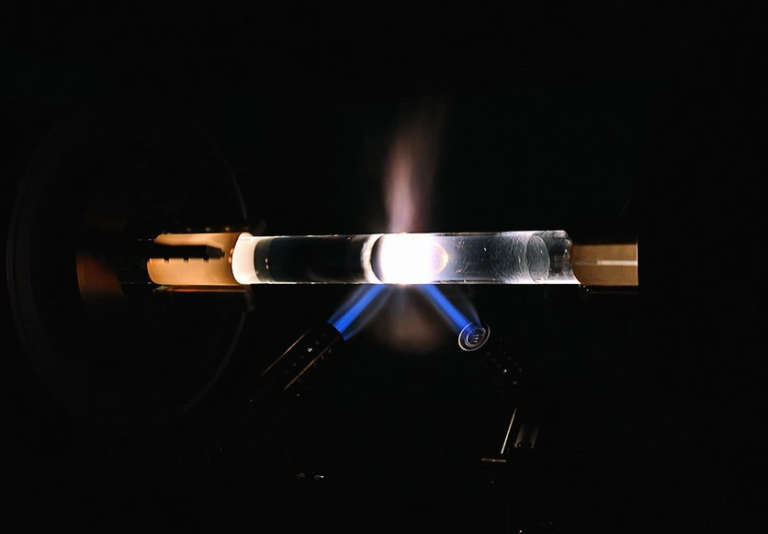
Photosensitivity Mechanism Photosensitive fiber preform rods contain dopants that respond to ultraviolet light. Germanium doping creates color centers that absorb UV energy. This absorption permanently changes the glass refractive index. The index change magnitude depends on UV dose and germanium concentration. Understanding this mechanism enables grating design. UV photons break germanium-oxygen bonds in the glass network. […]

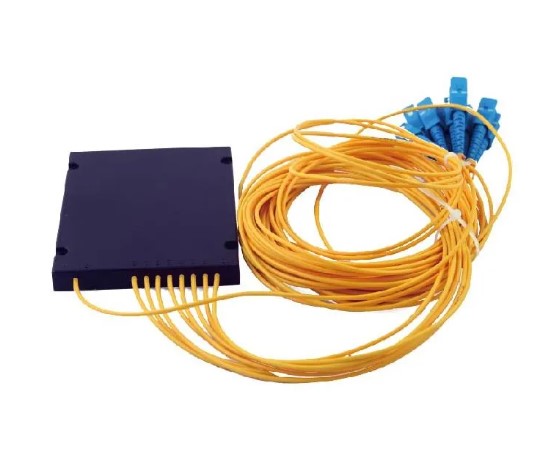
Single mode Pigtail Type Fiber Optic PLC Splitter Module

plc splitter

PLC Splitter Modules The singlemode pigtail type fiber optic PLC splitter module divides one optical signal into multiple outputs. PLC stands for planar lightwave circuit, a chip-based splitting technology. This module includes factory-attached pigtail fibers for easy field connection. Singlemode operation supports standard telecom and FTTH wavelengths. Network operators use these splitters for passive optical network deployment. […]

High Precision Ribbon Fiber Fusion Splicer

High precision ribbon fiber fusion splicer with ribbon holder fixture and display screen

Introduction to Ribbon Splicers The high precision ribbon fiber fusion splicer splices multiple fibers simultaneously. This machine aligns and fuses entire ribbons of 4, 8, or 12 fibers in one operation. Mass fusion dramatically increases splicing speed compared to single-fiber splicing. High precision ensures low loss across all fibers in the ribbon. Network operators use these splicers […]

All-Dielectric Self-Supporting (ADSS) Power Optical Cable

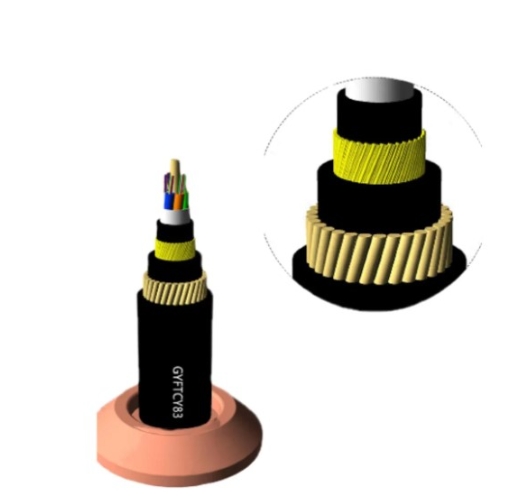
Cross-section of ADSS FTTH drop cable showing FRP rod, loose tube, aramid yarn, and outer jacket

ADSS Cable Technology The all-dielectric self-supporting power optical cable hangs directly on high-voltage transmission towers. This cable contains no metallic components that could attract lightning or create ground paths. Its robust design supports its own weight across spans between towers. Power utilities use this cable to add communication capabilities to existing transmission lines. The fiber optic cores […]

Single-Side Fiberglass Reinforced Phlogopite Insulation Mica Tape

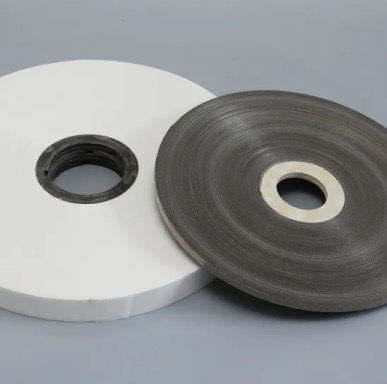
Introduction to Mica Tape Insulation The single-side fiberglass reinforced phlogopite insulation mica tape provides fire resistance for critical circuit cables. Phlogopite mica, a potassium magnesium aluminum silicate, withstands extreme temperatures. The fiberglass backing adds mechanical strength for cable manufacturing and installation. This tape maintains electrical insulation even after exposure to fire. Fire rated cables rely on this […]

Waterproof & Environmentally Friendly Indoor Fiber Distribution Panel

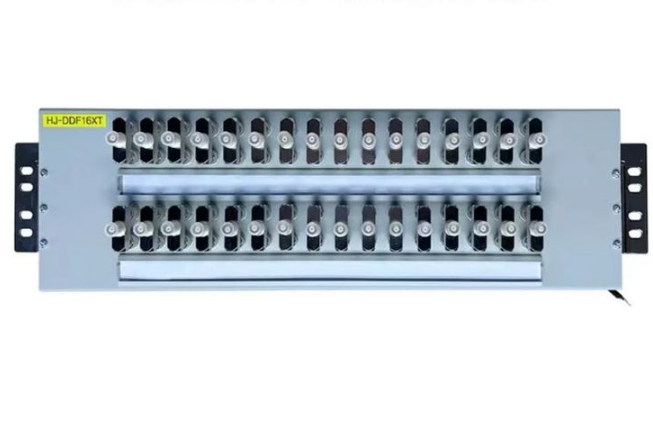
High density indoor fiber distribution panel with organized cable routing and bend radius protection

Distribution Panels The waterproof environmentally friendly indoor fiber distribution panel organizes fiber terminations in challenging indoor environments. This panel protects connections in basements, utility rooms, and industrial spaces. The waterproof design resists splashes and high humidity conditions. Environmentally friendly construction uses recycled or bio-based materials. Network operators specify these panels for green building projects and damp locations. […]

High Viscosity Secondary Coating Resin for Optical Fiber

Introduction to Secondary Coating Resins The high viscosity secondary coating resin protects optical fiber immediately after drawing. This UV-curable polymer forms the first protective layer around the glass fiber. The secondary coating sits over the primary coating to add mechanical robustness. High viscosity formulations provide better concentricity and thickness control. Fiber manufacturers rely on this material for […]

Hollow-Core Photonic Crystal Fiber

Hollow-core photonic crystal fiber preform showing hexagonal capillary array before drawing

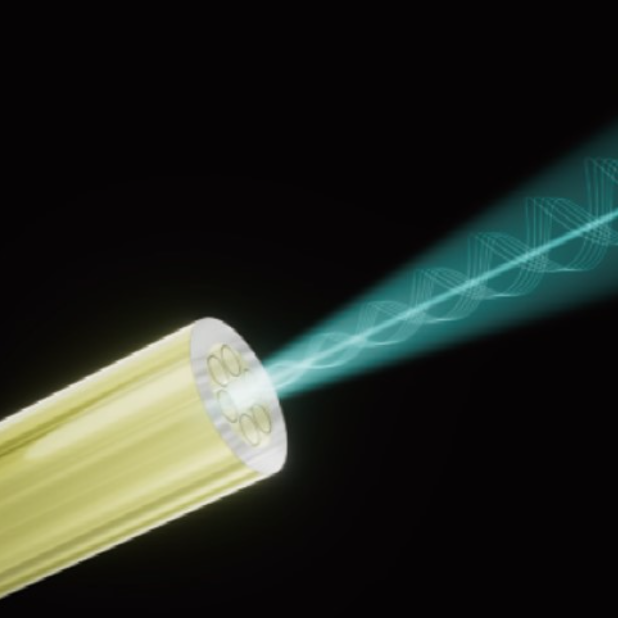
Manufacturing Process Overview Producing hollow-core photonic crystal fiber requires specialized fabrication techniques. The stack-and-draw method remains the industry standard for this complex structure. Manufacturers assemble hundreds of glass capillaries into precise geometric arrangements. This assembly then undergoes controlled drawing into kilometer-length fiber lengths. Each process step demands exceptional precision to preserve the delicate air-hole structure. Manufacturers start […]

Step-Index Multimode Fiber Preform (50/125, 62.5/125)

Understanding the Two Standards The choice between 50/125 and 62.5/125 step-index multimode fiber preforms impacts network performance significantly. These numbers refer to core and cladding diameters in micrometers. The larger 62.5-micron core captures more light from LED sources. The smaller 50-micron core offers higher bandwidth over longer distances. Network designers must understand this trade-off. 62.5/125 fiber dominated […]